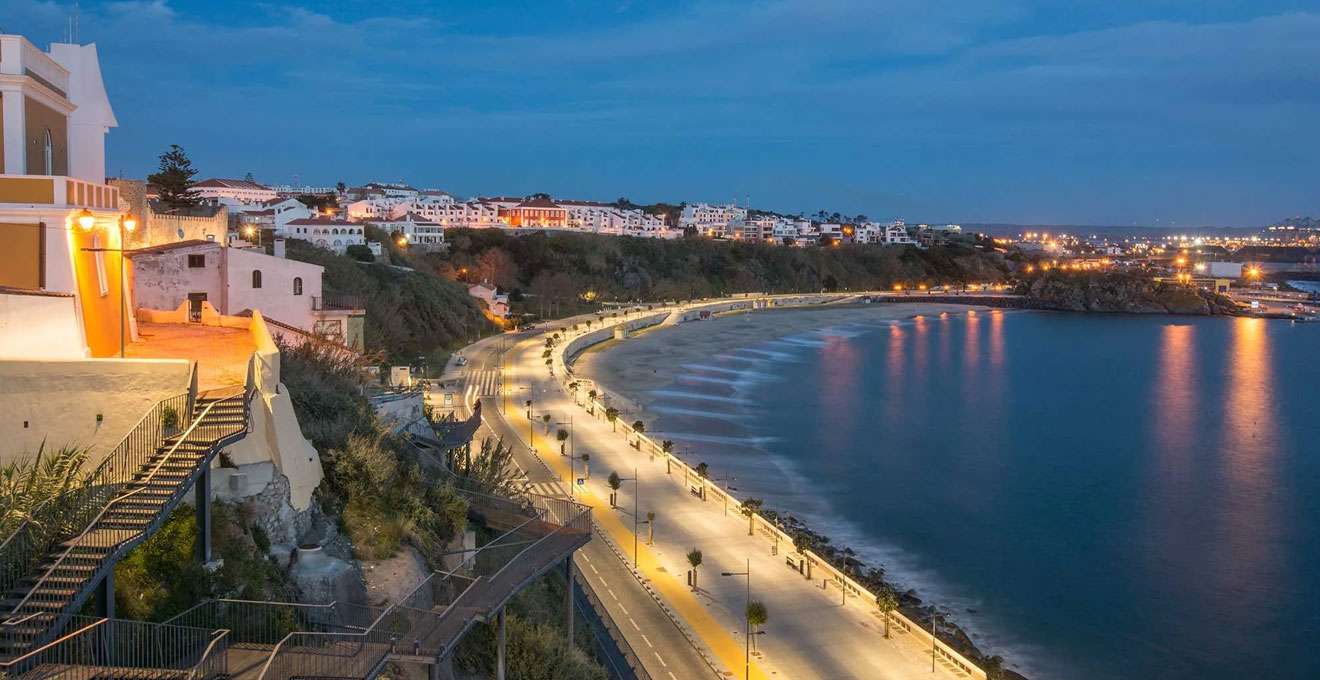
The Portuguese coast continues to attract record numbers—the 2025 figures published by Turismo de Portugal show 82.1 million overnight stays nationwide, a 2.2 per cent increase over 2024. Yet certain stretches remain notably quieter than others. Melides, a village on the Alentejo coast roughly 30 minutes south of increasingly popular Comporta, represents one such pocket of relative calm.What sets this area apart is not isolation—it sits within comfortable reach of Lisbon—but rather a distinctive landscape where rice paddies meet Atlantic dunes, creating an unhurried atmosphere that feels intentional rather than accidental. The recent arrival of thoughtfully designed boutique properties signals that quality hospitality need not compromise the slower pace travellers seek when they choose Melides over busier alternatives.
Your Melides snapshot: what you need to know
- Located on Portugal’s Alentejo coast, approximately 30 minutes south of Comporta and 90 minutes from Lisbon
- Distinctive agricultural landscape where working rice fields meet Atlantic beaches
- Recently opened boutique properties bring contemporary hospitality without sacrificing regional character
- Optimal visiting windows fall in May through June or September through October for weather without peak-season crowds
Why Melides remains Portugal’s best-kept coastal secret
The term “undiscovered” gets applied liberally to Portuguese coastal destinations, often just before they become thoroughly discovered. Melides occupies a different category. According to the 2021 Census final results from Statistics Portugal, Melides parish recorded just 1,459 permanent residents across 155.2 square kilometres—a population density that remains genuinely low even accounting for seasonal visitors. This is not a village on the cusp of transformation; it is a place where limited development appears structural rather than temporary.
Comporta, the better-known neighbour to the north, has seen accommodation prices and visitor numbers climb steadily over the past decade. Melides shares the same Comporta architectural tradition—natural materials, low-profile structures, integration with landscape—but without the accompanying infrastructure of beach clubs and resort-style amenities. For some travellers, this represents a compromise; for others, it is precisely the point.
What differentiates Melides from Comporta
Comporta offers established dining and nightlife infrastructure. Melides provides a quieter alternative where accommodation and landscape take centre stage. The choice comes down to whether you prioritise services or prefer fewer distractions from the natural setting.
The broader Alentejo coast benefits from protective designation as part of the Vicentina Route corridor, which limits large-scale development. As described on the official Visit Portugal portal for the Alentejo Coast, this 450-kilometre stretch encompasses beaches, forests, and agricultural land that together create a protected natural environment. Melides sits within this framework, meaning its current character has regulatory support beyond just market timing.
Travellers evaluating Melides often fall into distinct profiles. Couples in their thirties seeking a restorative long weekend from Lisbon frequently discover that arriving mid-season to find Comporta fully booked pushes them 30 minutes south—where they encounter rice field views and newly opened boutique properties with a fraction of the visitor density. Solo wellness travellers sceptical of coastal Portugal’s ability to deliver genuine disconnection given recent tourism surges find that Melides’ lack of nightlife and focus on nature-based activities genuinely supports digital detox rather than merely marketing it.
The landscape that shapes the Melides experience
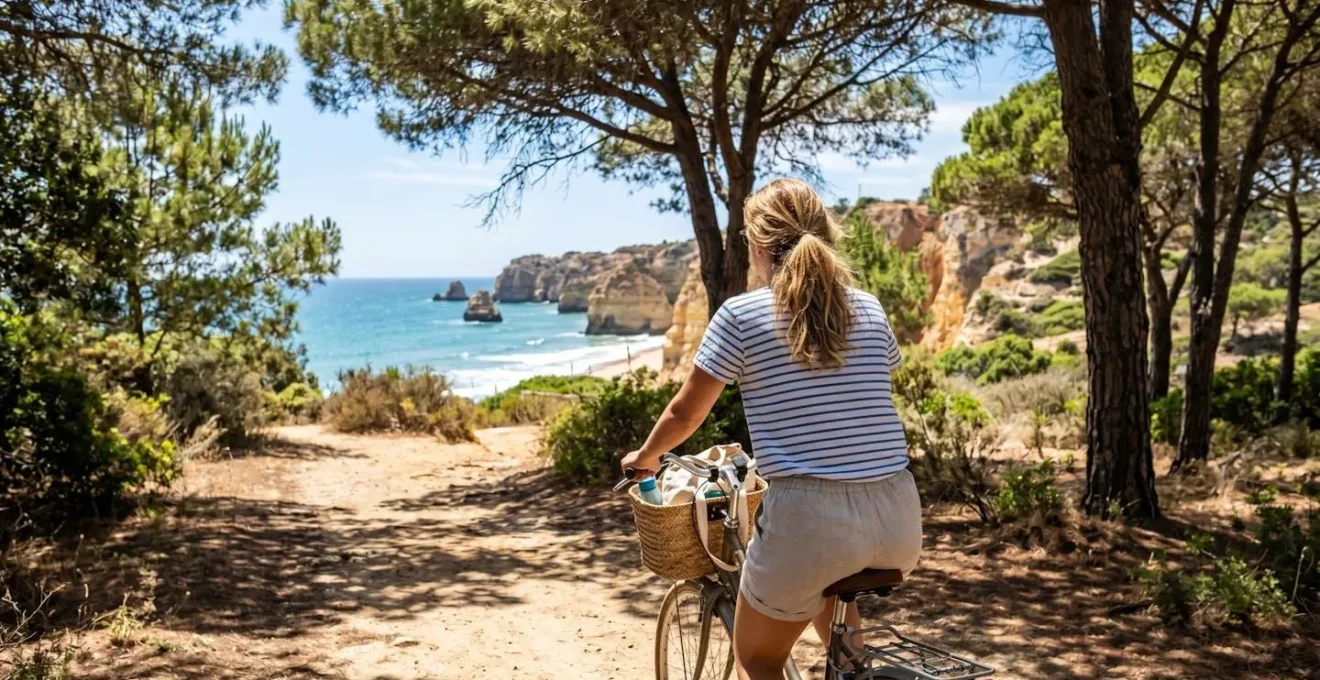
The rice paddies define Melides as much as its beaches. These working agricultural fields, which flood seasonally, create a distinctive visual rhythm absent from standard coastal resort environments. The flat expanse of cultivated land meeting Atlantic dunes produces a horizontal landscape that feels spacious rather than enclosed, contributing to the sense of unhurried time that characterises the area. This is not decorative countryside—it is an active agricultural zone that happens to border a coastline.
The Atlantic shoreline itself tends towards long stretches of sand backed by pine forests and dunes rather than dramatic cliffs or rocky coves. Beaches here suit walking and swimming more than water sports or social scenes. The absence of permanent beach infrastructure—cafés, sunbed rentals, marked swimming zones—reinforces a self-sufficient approach to coastal time that aligns well with the philosophy behind thoughtful hotels by the sea.
Properties like quintaamala.com have emerged to serve travellers seeking this balance between natural setting and quality accommodation, offering structured wellness programming alongside direct access to uncrowded coastal areas.
Seasonal variation shapes the landscape noticeably. The rice paddies follow a cultivation calendar that shifts the scenery from flooded fields reflecting sky in spring to golden harvest tones by late summer. This agricultural rhythm creates a destination that changes character across the year, rewarding repeat visits in different seasons rather than offering an unchanging resort experience. The working landscape means you encounter local agricultural activity—tractors, irrigation systems, harvest operations—that reinforces the sense of visiting a functioning community rather than a purpose-built tourism zone.
Where thoughtful hospitality meets Comporta architecture
The arrival of boutique properties in Melides reflects a specific hospitality model: small-scale developments that prioritise design continuity with regional building traditions over maximalist amenity offerings. One such property exemplifies this approach, positioning itself as a boutique hotel that adapts traditional Comporta architecture—natural materials including reed, wood, and organic textures—for contemporary comfort expectations. Families seeking authentic Portuguese coastal experience without resort artificiality find that such properties demonstrate how thoughtful hospitality and local materials create luxury without losing regional character.
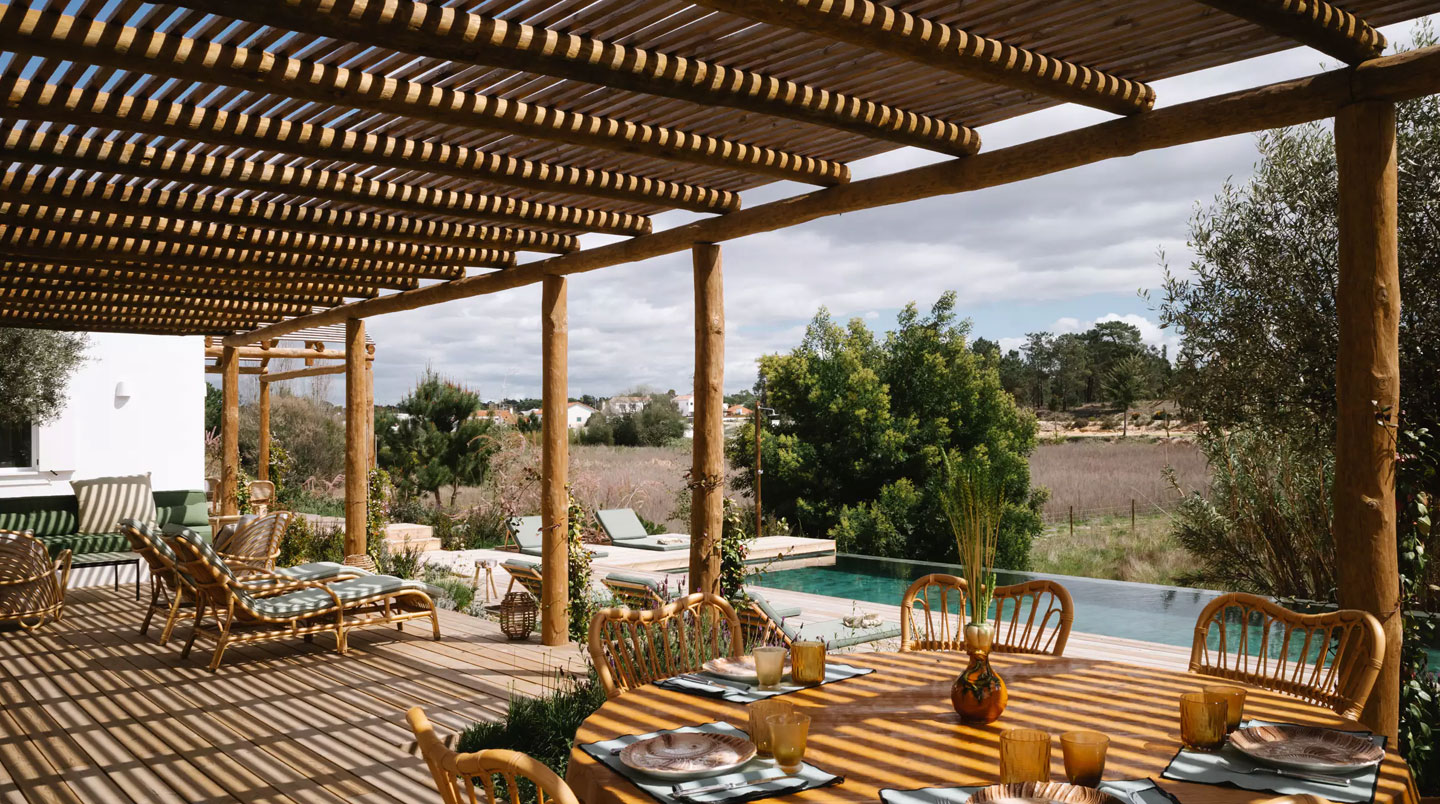
The property’s design philosophy centres on landscape integration. Accommodation units face rice field views rather than turning inward towards pool or garden spaces, deliberately framing the agricultural plains as the primary visual anchor. Building materials maintain a tactile quality—visible wood grain, woven surfaces, natural stone—that reinforces connection to the immediate environment. This architectural approach emphasizes simplicity over embellishment. The choice to feature working agricultural landscapes rather than manicured resort gardens represents a calculated design decision that either resonates deeply or feels insufficiently curated, depending on individual preferences.
Wellness offerings include yoga sessions, sauna facilities, an infinity pool overlooking the rice fields, and massage treatments—a programme designed to support restoration and disconnection rather than high-intensity activity. The on-site restaurant emphasises seasonal organic ingredients sourced from the Alentejo region, matching the property’s broader focus on regional authenticity. Bicycles available for guest use provide access to nearby beaches within 10 to 15 minutes, maintaining active exploration options without requiring constant vehicle dependence. For travellers evaluating whether this style of hospitality matches their expectations, the property represents a test case: whether minimalist luxury grounded in natural materials and landscape connection delivers adequate comfort when beach clubs and evening entertainment remain intentionally absent.
Planning your Melides escape: what to know before you go
Timing matters significantly in Melides. May through June and September through October offer optimal temperatures, bracketing peak summer heat. July and August bring the highest visitor numbers and temperatures—though “high” remains relative given Melides’ overall low density compared to the national tourism figures showing Portugal welcomed 32.5 million guests in 2025. Winter months from November through March see substantially fewer visitors and cooler, wetter weather that suits contemplative retreats but limits beach appeal. The shoulder seasons deliver the most reliable combination of favourable weather and genuine tranquillity.
Access from Lisbon requires approximately 90 minutes by car via the A2 motorway. Public transport involves multiple connections, making car rental the practical choice. Once based in Melides, a vehicle provides flexibility for exploring the broader coast, though beaches remain accessible by bicycle from central accommodation.
- Confirm car rental reservation for Lisbon airport pickup to ensure vehicle availability during peak seasons
- Book accommodation several months ahead for May, June, September, and October when boutique properties reach capacity
- Pack comfortable walking shoes suitable for sandy coastal paths and uneven terrain beyond beaches
- Bring reading material and offline entertainment—digital connectivity exists but the environment encourages disconnection
- Include sun protection for extended outdoor time with limited shade on beaches and open coastal areas
The most common objection about Melides centres on activity level: will you be bored after two days? The answer depends entirely on what you consider engaging. If you require structured entertainment and social beach environments, Melides will likely feel limiting. If walking, reading, swimming, and unscheduled time constitute restoration rather than deprivation, the village delivers precisely that experience. For guidance on evaluating whether a particular property matches your travel style beyond marketing claims, consider reviewing luxury hotel selection tips that help clarify what amenities matter most to your individual preferences.
The following addresses the most frequent practical concerns travellers raise when evaluating Melides as a destination.
Is Melides too quiet for a week-long stay?
That depends on your expectations. Melides suits travellers who find restoration in natural settings, unstructured time, and minimal entertainment infrastructure. If you need varied dining options, organised activities, or evening social scenes, a week may feel long. If coastal walks, wellness practices, reading, and genuine disconnection appeal, the week will likely feel insufficient.
Can I reach Melides without renting a car?
Technically yes, through bus connections from Lisbon, but the journey becomes significantly more complex and time-consuming. Car rental provides the practical option, particularly given limited public transport between Melides and surrounding coastal areas you may want to explore during your stay.
What if weather does not cooperate during my visit?
Melides offers limited indoor alternatives beyond accommodation facilities. Properties with wellness programmes, saunas, and covered spaces become essential during rainy periods. The landscape retains interest in various weather conditions—rice fields under overcast skies, dramatic coastal walks in wind—but this requires embracing outdoor activity in less-than-perfect conditions rather than retreating to museums or shopping.
Are there dining options beyond hotel restaurants?
Yes, though options remain limited compared to developed resort areas. The village centre includes several local restaurants, and nearby Comporta offers additional choices within a 30-minute drive. Many visitors planning extended stays choose properties with strong on-site dining to avoid daily restaurant hunting.
Is Melides suitable for solo travellers?
Extremely suitable, particularly for those seeking genuine solitude rather than solo travel with social opportunities. The quiet landscape, wellness-focused accommodation, and lack of party atmosphere create an environment conducive to reflection and restoration. Just ensure you are comfortable with extended periods of minimal social interaction beyond brief encounters.
Rather than promise an experience Melides cannot deliver, the more useful question becomes: does your current life circumstances call for precisely the kind of escape this village offers? If the answer is yes—if you need spaciousness, quietness, and permission to do very little beyond existing in a beautiful place—then Melides warrants the detour from better-known coastal alternatives.