Luxury hotels
The luxury hotel industry operates on promises: promises of space, authenticity, personalization, and unforgettable experiences. Yet beneath the marble lobbies and Egyptian cotton sheets lies a complex landscape where marketing claims often diverge from tangible reality. Understanding what truly constitutes luxury hospitality requires looking beyond star ratings and price points to examine the specific elements that elevate a stay from merely expensive to genuinely exceptional.
This exploration examines the fundamental components that define luxury hotels today, from the authenticity of their design claims to the practicalities of room dimensions, from the substance behind personalization promises to the physical realities of premium bedding and bathrooms. Whether you’re seeking to maximize value from a five-star stay or understand why some boutique properties command premium rates while others disappoint, this guide provides the framework for evaluating luxury hotels with informed confidence.
The distinction between genuine luxury and performative opulence matters increasingly as nightly rates climb and traveler expectations evolve. By understanding the realities behind common claims and recognizing the markers of true quality, you can navigate luxury hospitality choices with clarity rather than relying solely on brand names or star classifications.
Understanding Luxury Classifications and Value Propositions
The star rating system remains hospitality’s most visible quality indicator, yet its relationship to actual value proves surprisingly inconsistent. A single additional star can double nightly rates, but the tangible differences often disappoint guests expecting proportional improvements. The gulf between four-star and five-star properties sometimes narrows to enhanced toiletries, slightly better linens, and more attentive turndown service rather than transformative amenities.
Luxury hotels fundamentally divide into two philosophical camps: the branded palace hotel offering predictable excellence across global locations, and the independent luxury property promising unique character and local flavor. Ritz-Carlton, Four Seasons, and similar chains deliver consistency, their value proposition built on knowing exactly what awaits before arrival. Independent palaces and boutique luxury hotels counter with distinctive architecture, owner involvement, and experiences unavailable in corporate portfolios.
Extracting genuine value from luxury rates requires strategic approach rather than passive consumption. Five-star hotels typically build their pricing around guests utilizing premium facilities: spas, restaurants, concierge services, and exclusive amenities. Booking a room and treating the property merely as sleeping quarters wastes the substantial differential over four-star alternatives. The mathematics of luxury hotel value improves dramatically when guests actively engage with included services, from breakfast venues to evening cocktail hours, fitness facilities to guest relations managers who can unlock city experiences unavailable through standard channels.
Authenticity in Design: Antiques, Art, and Bespoke Claims
Luxury hotels frequently anchor their identity in claims of authentic antiques, museum-quality art collections, and bespoke furniture designed exclusively for their properties. The reality proves considerably more nuanced, with genuine period pieces, contemporary reproductions, and catalog selections often existing side-by-side while marketing materials blur these distinctions.
The Antique Furniture Paradox
Boutique hotels promoting « 18th-century antiques » typically showcase reproduction pieces manufactured recently to evoke period aesthetics. The reasons are practical rather than deceptive: authentic antique furniture poses liability concerns regarding structural integrity, fails to meet modern safety codes, and cannot withstand the daily wear of commercial hospitality use. Genuine period furniture appears primarily in public display areas rather than guest rooms, where damage risks and replacement costs prove prohibitive.
European properties, particularly converted historic inns and châteaux, more frequently feature authentic pieces, though even these establishments reserve genuinely valuable antiques for lobbies and dining rooms while furnishing guest accommodations with skilled reproductions. Verifying authenticity requires examining provenance documentation, asking specific questions about manufacturing dates versus period inspiration, and recognizing that « antique-style » differs fundamentally from « authentic antique. »
Art Collections and Gallery Claims
The distinction between hotels with owned art collections versus rotating gallery exhibitions significantly impacts guest experience. Owned collections demonstrate institutional commitment to cultural engagement, often featuring pieces acquired over decades with accompanying provenance and curatorial expertise. Temporary gallery arrangements, conversely, provide visual interest while serving primarily as sales venues for emerging artists.
Art-focused luxury hotels occasionally offer private curator-led tours, artist talks, and collection viewings that transform properties into cultural destinations beyond accommodation. These programming elements distinguish hotels genuinely invested in art from those using paintings as decorative wallpaper. Provenance documentation, when available, separates legitimate collections from marketing exaggerations about artistic significance.
Space Realities and Visual Marketing Techniques
Room size represents luxury hospitality’s most measurable yet frequently misrepresented attribute. The disconnect between expectations and reality reaches particularly stark levels when comparing markets: London five-star rooms average roughly half the dimensions of equivalent New York luxury properties, with standard rooms in prestigious addresses sometimes measuring barely 20 square meters against American luxury standards of 40+ square meters.
Wide-angle photography systematically distorts spatial perception, making rooms appear approximately 40% larger than actual dimensions. Understanding this visual inflation proves essential for managing expectations. Converting listed measurements into realistic spatial analogies helps: a 25-square-meter room approximates a 5-meter by 5-meter space, roughly equivalent to a generous single-car garage or small studio apartment main room.
Suite upgrades frequently disappoint by delivering marginal additional space despite substantial rate premiums. The typical « junior suite » or « executive room » upgrade provides merely 10-15% more floor area than standard accommodations, often achieved by adding a small seating area or desk space rather than meaningfully expanding the bedroom. European hotels offering 30+ square meter standard rooms exist but cluster in specific markets: German business hotels, Scandinavian design properties, and newer construction in secondary cities where land costs permit generous allocations.
Character, Personalization, and Service Philosophy
Boutique hotels built their reputations on promises of authentic character and personalized service that corporate chains supposedly cannot match. Reality proves more complex, with « boutique » evolving into a marketing category as much as an operational philosophy.
Defining Genuine Character
Authentic hotel character emerges from architectural heritage, owner involvement, and design choices reflecting specific vision rather than focus-group preferences. Converted historic properties—17th-century inns, former palaces, renovated townhouses—offer inherent character through original architectural elements, though this advantage disappears when renovations strip distinctive features in favor of contemporary uniformity.
The character equation balances charm against functionality. Genuinely characterful properties sometimes sacrifice practical comforts: unreliable WiFi, inconsistent heating, dated plumbing, and awkward room layouts that preserve historic integrity while frustrating modern expectations. Finding hotels that maintain character without compromising essential amenities requires examining recent guest feedback specifically addressing functional aspects rather than aesthetic impressions.
The Personalization Promise
True personalization extends beyond addressing guests by name or remembering pillow preferences. It manifests in staff empowerment to accommodate unusual requests, anticipate unstated needs, and create spontaneous moments that acknowledge individual circumstances. The paradox: smaller independent properties theoretically personalize better, yet increasing numbers operate from corporate manuals developed by boutique hotel management companies and brand affiliations like Design Hotels™.
Meaningful personalization requires requesting specific accommodations staff can actually deliver: room location preferences, particular amenity configurations, or scheduling needs around your itinerary. The unrealistic: expecting staff to intuit unstated preferences or deliver personalizations requiring resources beyond property capabilities. Properties with dedicated guest relations managers for individual bookings signal genuine personalization capacity beyond automated preference tracking.
Physical Luxury: Bedding, Bathrooms, and Amenities Examined
The tangible elements of luxury hospitality—premium mattresses, high thread-count linens, marble bathrooms, and designer toiletries—receive disproportionate marketing emphasis yet vary dramatically in actual quality and guest impact.
Bedding Quality Reality
Hotel luxury mattresses span a spectrum from genuinely superior custom designs to standard commercial-grade products identical to mid-range alternatives. The same hotel brand frequently features different mattress specifications across properties, explaining why beds feel inconsistent between locations. Thread count claims for sheets prove particularly misleading: marketing emphasizes 600+ thread counts while the actual sleep experience depends more on fiber quality, weave construction, and finishing treatments than raw thread density.
Superior hotel bedding justifies premium rates when properties invest in genuine customization: mattresses designed for their specific guest demographic, pillow menus offering meaningful variety, and linen programs refreshed frequently enough to maintain optimal texture. The £100 nightly premium for exceptional bedding makes sense when you value sleep quality; it fails to justify itself if you’re minimally sensitive to mattress differences or spend limited time actually in bed.
Bathroom Luxury Beyond Marble
Luxury hotel bathrooms prioritize aesthetics over functionality with surprising frequency. Marble surfaces streak visibly after single showers, requiring constant maintenance to maintain the pristine appearance guests expect from luxury properties. Rainfall showers provide visual drama while often delivering impractical water pressure and temperature control. Freestanding tubs photograph beautifully yet prove awkward for actual bathing without grab bars or convenient soap placement.
Functional bathroom luxury emerges from thoughtful details: adequate counter space for toiletries, effective lighting for grooming tasks, powerful ventilation preventing moisture issues, and heated floors in cold climates. Bathroom dimensions matter substantially, yet « spacious luxury bathrooms » frequently measure barely 4 square meters, offering minimal maneuvering room despite premium finishes.
Toiletry Programs and Brand Partnerships
Hotel toiletry partnerships with luxury brands create expectations that in-room products will match retail formulations. Reality: hotel versions of recognized brands typically feature modified formulations, often with higher fragrance levels and different ingredient concentrations than retail equivalents. The shift from individual bottles to refillable dispensers eliminates collectible amenities while raising questions about refill consistency and hygiene.
Premium toiletries add genuine value when properties partner with specialized brands offering formulations unavailable in retail channels or when selection addresses diverse skin sensitivities. Standard luxury brand partnerships where hotel versions disappoint compared to retail products contribute minimal value to overall stay experience.
Sustainability Claims in Luxury Hospitality
Luxury hotels increasingly promote sustainability credentials, yet distinguishing genuine environmental commitment from cost-saving measures branded as eco-consciousness requires scrutiny. The towel and linen reuse programs that launched hotel environmentalism primarily reduce laundry expenses while generating modest water savings, their environmental impact substantially smaller than marketing suggests.
Eco-certifications vary dramatically in rigor: third-party verified programs like LEED, Green Key, or EarthCheck require documented performance across multiple criteria, while self-awarded sustainability claims lack independent validation. Investigating certification legitimacy involves verifying the certifying organization, understanding assessment criteria, and checking when audits occurred.
The genuine sustainability question in luxury hospitality asks how far environmental measures can extend before compromising the comfort expectations that define luxury. Daily housekeeping elimination, temperature restrictions, and amenity reductions all improve environmental performance while potentially conflicting with luxury service standards. The £300 eco-luxury hotel versus £60 sustainable hostel comparison reveals that genuinely sustainable practices concentrate in lower-tier properties where guest expectations accommodate environmental trade-offs more readily.
Renewable energy claims require particular scrutiny: hotels purchasing renewable energy certificates while consuming grid power differ fundamentally from properties generating on-site renewable energy, though marketing materials often blur this distinction.
Design Approaches and Aesthetic Longevity
Luxury hotel design divides broadly between bold contemporary statements and quiet classical elegance, each approach carrying distinct implications for aesthetic longevity and guest experience. Contemporary design hotels risk dating quickly as trends evolve, their precisely of-the-moment aesthetics becoming period pieces within years. The « contemporary luxury » hotels of past decades now appear distinctly dated, their once-cutting-edge design choices marking specific eras as clearly as avocado-colored bathroom fixtures.
Classical design approaches—Belle Époque palaces, traditional country house aesthetics, or understated elegance—age more gracefully by anchoring in established traditions rather than current trends. The trade-off: classical interiors can feel formulaic when executed without genuine conviction, resulting in generic « luxury » aesthetics lacking distinctive identity.
Claims of « bespoke furniture » in luxury hotels frequently describe catalog selections from high-end commercial furniture suppliers rather than custom-designed pieces. Genuinely bespoke elements appear primarily in public spaces where investment justifies custom manufacturing, while guest rooms typically feature commercial products selected for durability and replacement feasibility.
Assessing design quality from photographs requires recognizing common deceptions: styling that doesn’t reflect actual guest experience, strategic angles hiding awkward proportions, and enhanced lighting creating ambiance difficult to replicate in reality. The fundamental question underlying design choices asks whether aesthetics serve functional guest needs or primarily photograph impressively for marketing purposes.
True Refinement: Substance Beyond Surface Luxury
The most refined luxury hotels paradoxically avoid ostentatious displays, their excellence emerging through accumulated small details rather than obvious grand gestures. This approach to luxury prioritizes subtle perfection: door hinges operating silently, drawer interiors finished to the same standard as exteriors, staff anticipating needs without intrusive presence, and amenities appearing exactly when needed without requiring requests.
Recognizing markers of genuine refinement requires attention to elements easily overlooked: the quality of hangers in closets, the functionality of lighting controls, the thoughtfulness of power outlet placement, and the calibration of heating and cooling systems. These operational details reveal whether luxury extends throughout the property or concentrates in photographable public areas while guest rooms receive less meticulous attention.
The service philosophy question—invisible service versus attentive presence—lacks universal answers, depending instead on individual preferences. Some guests value staff who anticipate needs while remaining nearly invisible; others prefer personable interaction and relationship building with hotel team members. The risk: refinement executed so subtly that properties feel cold and unwelcoming, their perfection creating emotional distance rather than comfortable luxury.
Memorable luxury experiences transcend physical amenities to create peak moments that shift perspectives or introduce guests to unexpected dimensions of destinations. These transformative elements—whether curator-led art tours, unique property rituals unavailable elsewhere, or access to exclusive local experiences—distinguish hotels that merely provide expensive accommodation from those creating lasting impact. This experiential dimension of luxury ultimately matters more than thread counts or marble varieties, representing the difference between stays quickly forgotten and those that genuinely enhance how you understand places and possibilities.
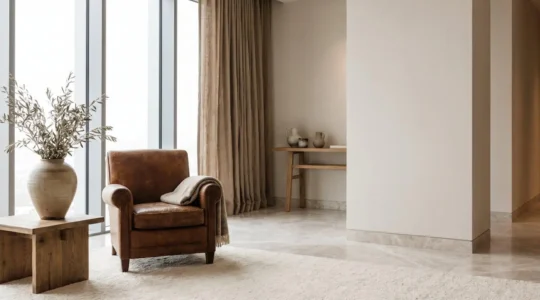
What Are the Subtle Hotel Details That Signal True Refinement?
True hotel refinement isn’t found in flashy logos or grand lobbies, but in the deliberate, often invisible, details designed to make you feel uniquely cared for. « Quiet Luxury » prioritizes timeless materials and thoughtful craftsmanship over fleeting, ostentatious trends. The most…
Lire la suite
How to Identify Hotels With Genuinely Premium Toiletries?
That luxury brand toiletry in your hotel room is likely not the same product you’d buy in a store. Formulations are often created under license specifically for the hospitality market, prioritizing cost over the ingredient quality of their retail counterparts….
Lire la suite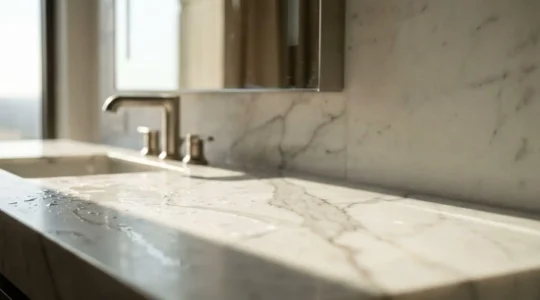
Do Marble Bathrooms Deliver Luxury or Just Maintenance Headaches?
The seductive gleam of a marble bathroom is often a misleading indicator of luxury; it’s the hidden functional details that reveal a hotel’s true commitment to a superior guest experience. Streaks, water spots, and dull patches on marble are not…
Lire la suite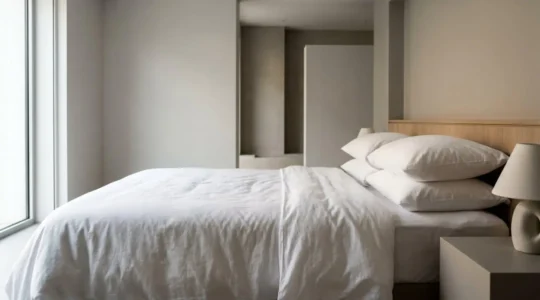
How to Identify Hotels With Genuinely Superior Bedding?
True hotel bed luxury isn’t found by chasing marketing claims like thread count or brand names; it’s an engineered ‘sleep system’ you can learn to decode. Franchise agreements and operational costs—not just brand—dictate the actual quality of the mattress and…
Lire la suite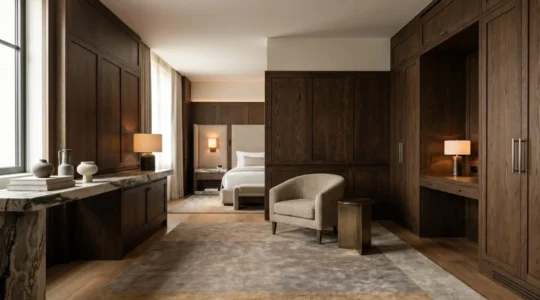
How to Spot Genuine Design Excellence in a Luxury Hotel Room
True luxury design isn’t measured in marble and gold, but in the intelligence of its functional and emotional details. It prioritises timeless quality and materials that age gracefully over fleeting, high-impact trends. It serves the guest through « invisible » comforts like…
Lire la suite
How to Identify Genuinely Sustainable Hotels and Expose Greenwashing
Frustrated by hotel eco-claims that feel more like marketing than meaningful action? You can move beyond the vague promises by adopting an auditor’s evidence-demanding mindset. Most « green » initiatives are cost-saving operational expenses (OPEX), not true capital investment (CAPEX) in sustainability….
Lire la suite
What Makes a Luxury Hotel Stay Unforgettable Versus Just Expensive?
The most memorable luxury hotel stays have little to do with the cost of amenities and everything to do with their ability to craft a personal narrative. They replace material excess with meaningful, story-driven rituals that create a unique sense…
Lire la suite
How to Find Boutique Hotels That Actually Personalise Your Stay?
True hotel personalisation is not an amenity you find in a brochure; it is a collaborative process you engineer by understanding a hotel’s operational limits and capabilities. Generic requests often fail because they clash with a hotel’s rigid systems, whereas…
Lire la suite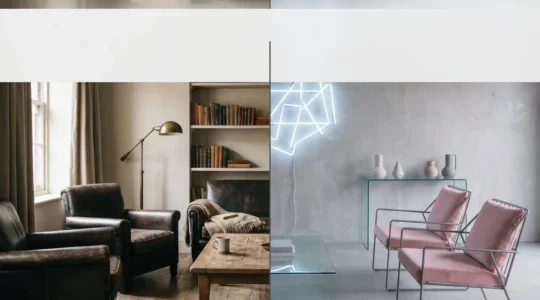
How to Identify Truly Charming Hotels Versus Manufactured Cuteness?
That ‘charming’ boutique hotel you booked isn’t charming; it’s a meticulously crafted Instagram set designed to look good, not feel good. Genuine charm comes from human connection and history, not from neon signs or rattan furniture. Authenticity is found in…
Lire la suite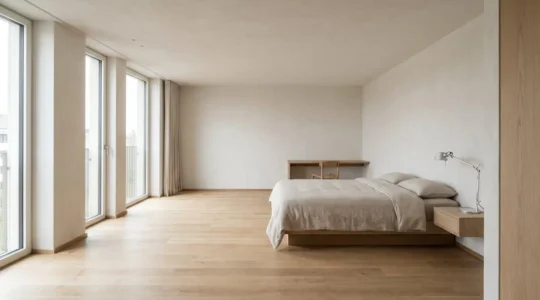
How to Find Genuinely Spacious Hotel Rooms in European Cities?
The advertised square footage of a European hotel room is often a misleading metric; true spaciousness depends on layout, photo analysis, and decoding marketing terms. Historical buildings and high real estate costs mean European rooms are fundamentally smaller than their…
Lire la suite