Travel guide
Travel planning has never been more accessible, yet most travellers follow identical paths: staying in interchangeable chain hotels, following concierge recommendations to the same crowded attractions, and booking tours marketed as “leisurely” that turn exhausting. The gap between what the tourism industry markets and what creates memorable, authentic experiences has widened dramatically.
This disconnect isn’t accidental. Booking platforms prioritize inventory they profit from most. Tour operators maximize group sizes to boost margins. “Local recommendations” often come from staff who’ve never lived in the neighborhood. Understanding these dynamics transforms you from a passive consumer into an informed traveller who makes strategic choices.
The fundamentals of smart travel planning rest on six pillars: selecting accommodation that connects you to place, exploring neighborhoods using systematic methods, navigating markets with cultural awareness, evaluating activities by criteria the industry doesn’t advertise, timing both bookings and explorations strategically, and decoding the deliberately confusing language of hotel standards. Master these foundations, and you’ll consistently create richer experiences at better value.
Finding Authentic Accommodation in a World of Identical Hotels
The global hotel industry increasingly offers standardized experiences. International chains deliver predictable comfort but identical aesthetics from Bangkok to Barcelona. This sameness serves operational efficiency, not your connection to place.
Location Authenticity Versus Tourist Convenience
Canal-side boutique properties and hotels in residential quarters offer something chain hotels in tourist districts cannot: immersion in how local residents actually live. The premium—often £30-50 per night more—purchases daily encounters with neighborhood rhythms: morning markets setting up, school children walking past, local cafés where staff recognize regulars.
Tourist district hotels prioritize convenience: proximity to major attractions, English-speaking staff, familiar breakfast buffets. Residential quarter properties demand more adaptation but deliver authentic cultural texture. The choice depends on which travel experience you value.
Ownership Models and Cultural Connection
Three-generation family hotels embed you in local culture differently than professionally managed design boutiques. Family-run properties often employ staff who’ve lived in the neighborhood for decades, possess genuine local knowledge, and maintain relationships with nearby businesses. Design boutiques prioritize aesthetics and modern amenities but frequently staff with transient employees who know curated recommendations, not organic neighborhood knowledge.
The reliability test: ask front desk staff where they personally shop for groceries or get their hair cut. Genuine locals answer immediately with specific businesses. Staff who don’t live locally deflect to tourist-appropriate alternatives.
Exploring Neighborhoods Like a Local, Not a Tourist
Luxury hotel concierges routinely send guests to identical establishments: restaurants with English menus and commission arrangements, galleries in guidebooks, shops with prearranged partnerships. This isn’t malicious—it’s institutional incentive structure.
The 15-Minute Walk Circle Method
Upon arrival, map a 15-minute walking radius from your hotel in each cardinal direction. Walk these boundaries on your first morning, noting:
- Where local residents queue (bakeries, coffee shops, bus stops)
- Businesses with signage only in local language
- Markets, food stalls, neighborhood squares
- Opening and closing patterns throughout the day
This systematic approach reveals the authentic neighborhood layer that exists parallel to tourist infrastructure, often just two streets away from major attractions.
Arrival Timing for Maximum Discovery
Arriving in the afternoon means missing 80% of local markets and neighborhood rhythms. Morning markets in European cities typically operate 7:00-13:00. Bangkok’s neighborhood markets often set up 6:00-10:00. Arriving before 10:00 AM—even if you cannot check in—allows you to observe the neighborhood’s morning patterns and identify promising locations before you need that knowledge.
Street Markets and Food: Safety, Value, and Communication
Street food anxiety prevents many travellers from accessing the most authentic, affordable dining experiences available. Understanding a few practical principles demystifies the experience entirely.
The Queue Reliability Indicator
Busy street stalls with local customers queuing have lower food safety risks than empty stalls targeting tourists. High turnover means ingredients are fresh, cooking surfaces stay hot, and food doesn’t sit waiting. Local customer queues signal the community trusts this vendor’s hygiene and quality.
Tourist-oriented stalls with aggressive touts, English signage, and picture menus often have lower turnover, meaning ingredients sit longer and quality matters less because customers don’t return anyway.
Communicating Dietary Restrictions Across Language Barriers
In markets where vendors speak no English, translation cards with allergen names in local script become essential safety tools. Prepare cards stating your specific allergens with both the allergen name and common preparations highlighted. Pointing at ingredients works for visible components but misses sauces, oils, and bases. Don’t rely on gesture-based communication for life-threatening allergies.
Market Timing and Bargaining Dynamics
Bangkok night markets versus day markets present different value propositions: night markets offer atmosphere and prepared foods but higher prices due to tourist clientele. Day markets provide better value on goods and more authentic shopping environments.
The bargaining error that doubles prices: making your first counteroffer at 80% of asking price signals you’re an uninformed tourist. Experienced shoppers in Thai markets often start at 40-50% for non-food items, expecting to settle around 60-70%.
Choosing Activities That Deliver Real Experiences
Tour and activity marketing obscures crucial details that determine whether you’ll have the experience advertised or a disappointing imitation.
Group Size Determines Experience Quality
An 8-person bike tour versus a 25-person tour of identical routes delivers fundamentally different experiences. Smaller groups allow guides to adjust pace, answer individual questions, and access narrower streets or smaller establishments. Large groups require rigid schedules, limited interaction, and routes designed for crowd management, not discovery.
Tour operators bury group size information because it correlates directly with their profit margins. Always confirm maximum group size before booking, not “typical” or “average” size.
The “Leisurely” Pace Deception
“Leisurely” bike tours frequently cover 15-20 kilometers over three hours, requiring moderate fitness levels despite marketing suggesting casual accessibility. Evaluation questions that reveal reality:
- What’s the total distance covered?
- How much time actually cycling versus stopped?
- What happens if someone cannot maintain the pace?
Vague answers indicate the tour is more demanding than advertised.
Safety Equipment Standards Nobody Mentions
The bike tour industry rarely advertises helmet quality, bike maintenance standards, or insurance coverage—precisely the details that matter if something goes wrong. Well-maintained operations provide properly fitted helmets, bikes serviced regularly, and carry insurance details readily available. European city tours operating in rush hour or rain create genuine safety concerns operators downplay because cancellations hurt revenue.
Strategic Timing: When to Travel and When to Explore
Travel timing affects both what you pay and what you experience. Strategic choices in this dimension often matter more than accommodation category or activity selection.
Weekday Pricing Patterns
Sunday check-ins at city hotels frequently cost £40-60 less per night than Friday or Saturday arrivals. Business hotels optimized for weekday corporate guests offer weekend discounts; leisure-oriented properties reduce Sunday-Thursday rates to maintain occupancy. This pattern reverses at beach resorts where weekend demand drives pricing.
Date flexibility of even 48 hours often unlocks free room upgrades as hotels optimize occupancy by upgrading flexible guests rather than discounting additional room categories.
Shoulder Season Versus Deep Off-Peak
Shoulder seasons (April-May and September-October in Europe) balance favorable weather with reduced crowds and moderate pricing. Deep off-peak (January-February) offers maximum price reductions but weather uncertainty and reduced operating hours at attractions. The value-weather calculation depends on your priorities: saving 40% on accommodation but experiencing daily rain may or may not justify the trade-off.
Event-Driven Price Spikes
City events—conferences, festivals, sporting competitions—can triple hotel rates on specific dates without warning. A Wednesday night that costs £90 normally might spike to £280 because thousands of conference attendees need accommodation. Checking city event calendars before locking dates prevents accidentally booking during rate spike periods.
Understanding Hotel Pricing and Room Categories
Hotel room category terminology deliberately confuses rather than clarifies. What constitutes “Deluxe” at one property equals “Standard” elsewhere, with no industry standardization.
Decoding Upgrade Value
The £40 room upgrade from Standard to Superior might purchase genuinely better amenities (larger space, better view, superior bathroom) or pure marketing nomenclature (identical room on higher floor). Evaluation method: examine actual guest photographs of both room categories, measuring visible differences in space, amenities, and views. If you cannot spot meaningful differences in guest photos, the upgrade offers minimal real value.
Bed Configuration for Solo Travellers
King bed versus twin room matters minimally for solo travellers regarding sleep comfort, but significantly affects room pricing and availability. Many hotels price twin rooms identically to doubles but have fewer available. Solo travellers booking king rooms often access better availability at identical pricing, making bed type largely irrelevant to the decision.
Connecting Versus Adjoining Room Confusion
“Connecting rooms” should mean adjoining rooms with an internal door, creating a suite-like configuration. However, some properties use this term for any rooms near each other. The distinction matters significantly for families wanting private space with internal access.
Clarification question: “Does connecting mean an internal door between rooms, or rooms near each other?” Properties using imprecise terminology often cannot guarantee the configuration you’re assuming. Room category importance sometimes overrides hotel quality: an excellent room in a mediocre hotel often delivers better experience than a poor room in a prestigious property.
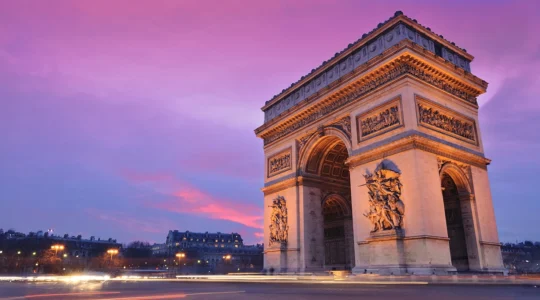
Best hop-on hop-off Paris tours for iconic attractions
Looking for the best hop-on hop-off Paris tours for iconic attractions means finding a sightseeing experience that combines a broad overview of the capital with the freedom to stop and explore. Tootbus offers open-top hop-on hop-off bus tours designed around…
Read more
How to Choose the Right Hotel Room Type for Your Needs?
The names hotels give their rooms—”Deluxe,” “Superior,” “Executive”—are marketing tools, not a standardized system, making direct comparisons between hotels meaningless. The key to a smart choice is to ignore the category name and instead decode the tangible attributes: exact square…
Read more
How to Choose Stay Dates That Slash Hotel Costs by 40%?
Most travellers think saving on hotels means booking months in advance or settling for the bleakest off-season. The reality is that the biggest savings are found by understanding the *why* behind daily price shifts. This guide reveals the hotel revenue…
Read more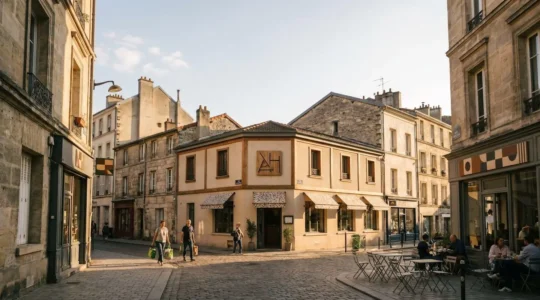
How to Choose Hotels That Connect You to Neighbourhood Culture?
The real cultural connection of a hotel isn’t found in its decor or star rating, but in its operational DNA—its fundamental relationship with the local community. Globally standardized hotel chains are engineered for predictability, which often creates an isolating “hotel…
Read more
How to Choose Bike Tours That Uncover a City’s True Neighbourhoods
Finding an authentic bike tour isn’t luck; it’s about decoding its operational DNA before you book. True quality lies in verifiable details: route logic, guide-to-rider ratio, and safety policies, not just marketing promises. The best experiences connect you to a…
Read more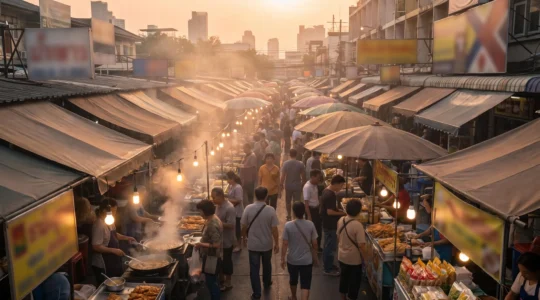
How to Explore Bangkok Street Markets Without Getting Sick?
The allure of Bangkok’s street food is undeniable—the sizzle of a hot wok, the fragrant steam of lemongrass and chili, the promise of the most authentic Pad Thai you’ve ever tasted. Yet, for the first-time visitor, this excitement is often…
Read more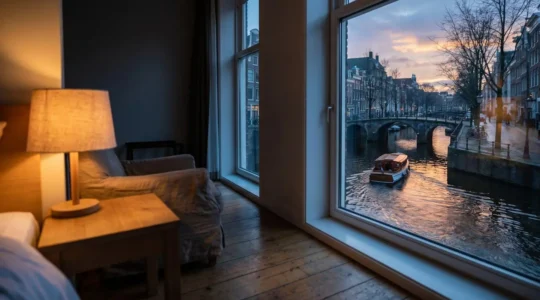
What Creates a Truly Romantic Atmosphere in European City Hotels?
True hotel romance isn’t a checklist of luxury features, but a psychological experience born from shared discovery and intentional design. The most romantic hotels create a “psychological threshold,” making you feel you’ve entered a private world together. Authenticity is not…
Read more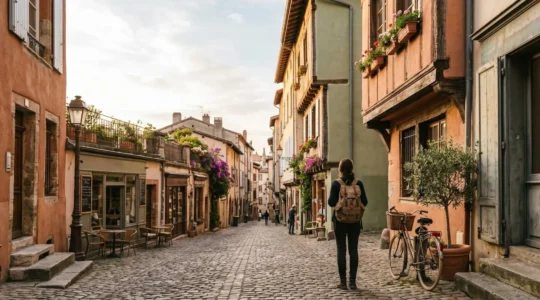
Beyond the Concierge: How to Find the Neighbourhood Secrets Hotels Won’t Tell You
The most authentic travel experiences aren’t found in a guidebook; they’re decoded from the city’s signals, starting with the hotel you choose. Most international hotel chains and popular tours are designed for standardization, not local immersion, creating a bubble of…
Read more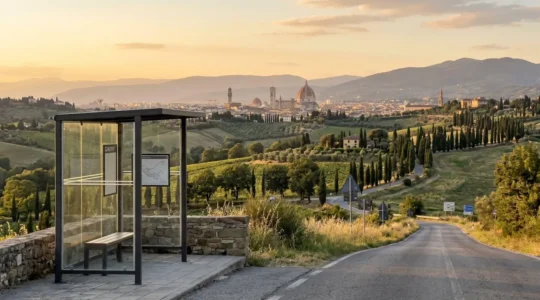
Is there a bus pass linking Florence, Pisa and Lucca in Tuscany?
Planning a Tuscany itinerary without a rental car often feels like solving a logistical puzzle—coordinating train schedules, buying separate tickets for each leg, and hoping everything aligns with museum opening hours. The good news: a dedicated multi-day pass now connects…
Read more
Planning a peaceful escape in Portugal: why Melides deserves attention
The Portuguese coast continues to attract record numbers—the 2025 figures published by Turismo de Portugal show 82.1 million overnight stays nationwide, a 2.2 per cent increase over 2024. Yet certain stretches remain notably quieter than others. Melides, a village on…
Read more