Hotel selection by destination
Choosing a hotel isn’t just about star ratings or amenities anymore. The same thread count feels entirely different when you’re sleeping on a tatami mat in Kyoto versus a converted palazzo in Venice. Your accommodation decision shapes not just where you sleep, but how deeply you connect with a destination, how much time you waste on logistics, and whether you return home with generic luxury memories or experiences you can’t replicate anywhere else.
Every destination presents its own decision matrix. Prague’s medieval charm comes with cobblestone hills that turn luggage transport into an ordeal. Venice’s romantic canals mean your airport transfer strategy matters as much as your room view. Kyoto’s traditional ryokans offer cultural immersion that 40% of first-time guests find challenging to navigate. Understanding these destination-specific factors before you book transforms your trip from comfortable to truly memorable.
This guide examines the six critical dimensions of destination-based hotel selection: strategic location and timing, architectural character alignment, cultural adaptation requirements, hidden logistical costs, design authenticity, and experience creation beyond standard amenities.
Strategic Location and Timing: Beyond the Postcard Address
The most expensive mistake travelers make is confusing iconic location with strategic location. Staying inside Prague’s Old Town Square commands an £80 nightly premium, yet that same central position often means tourist-trap restaurants, cruise ship crowds at breakfast time, and zero authentic neighborhood life.
Venice illustrates this principle perfectly. San Marco offers undeniable romance, but that romance evaporates after 9am when day-trippers flood the area. Strategic travelers choose accommodations in Dorsoduro or Cannaregio, experiencing the city’s residential rhythm while remaining within a 15-minute vaporetto ride of major sites. The timing dimension matters equally: Venice without cruise ship crowds exists during specific shoulder seasons, transforming the entire accommodation experience.
Kyoto presents a different location challenge. The city’s sprawling geography means a poorly chosen hotel location can cost you 10+ hours per trip in transit time. Proximity to subway lines, position relative to eastern temple districts versus western bamboo groves, and access to seasonal attractions all factor into the equation. A garden hotel offers peak beauty during cherry blossom or maple seasons, but that same location might feel isolated during winter months.
Architectural Character: Matching Building Style to Desired Experience
Architecture isn’t decoration; it’s the physical language through which a destination speaks. This choice fundamentally shapes your sensory experience and emotional connection to place.
Historic Preservation Versus Contemporary Interpretation
Venice forces this question explicitly: does a 15th-century palazzo feel more Venetian than a contemporary conversion? Historic interiors offer authentic spatial proportions, original frescoes, and the weight of centuries. But they may also mean challenging stair access, smaller bathrooms, and period features that photograph beautifully but complicate daily comfort.
Contemporary conversions in historic shells provide modern infrastructure while respecting original architecture. The question isn’t which is superior, but which aligns with your priorities: pure preservation or livable interpretation.
Regional Architectural Vocabulary
Prague offers a particularly rich architectural choice: Art Nouveau elegance versus medieval atmosphere. Art Nouveau properties feature flowing organic lines, decorative ironwork, and light-filled spaces reflecting the city’s early 20th-century cultural flowering. Medieval properties offer vaulted ceilings, stone walls, and intimate scale that connects you to the city’s 14th-century origins.
Neither is more « authentically Prague. » Both represent genuine layers of the city’s architectural identity. Your selection should reflect which historical period resonates with your personal aesthetic and which physical characteristics, such as ceiling height, light quality, and ornamentation density, make you feel most at ease.
Cultural Adaptation and Local Etiquette: The Immersion Investment
Some destinations offer accommodations that require cultural adaptation from guests. This isn’t a barrier; it’s an invitation to deeper experience, provided you understand what you’re committing to.
Traditional Kyoto ryokans exemplify this perfectly. These establishments operate according to seven unspoken rules covering everything from shoe removal protocols to bathing order, meal timing, and appropriate hallway attire. The tatami sleeping arrangement that causes struggle for 40% of first-time guests isn’t a design flaw; it’s an integral element of Japanese spatial philosophy.
The strategic question becomes: hybrid comfort or full tradition? Some Kyoto accommodations offer Western beds with Japanese aesthetic elements, providing cultural flavor without adaptation requirements. Others maintain complete traditional protocols. Neither approach is superior, but misalignment between your cultural comfort zone and your chosen accommodation style creates friction that diminishes your experience.
- Assess your genuine flexibility with different sleeping surfaces, communal bathing, and scheduled meal times
- Consider whether you want to observe cultural practices or actively participate in them
- Research specific property protocols before booking to avoid arrival surprises
- Recognize that cultural adaptation creates memories precisely because it challenges routine
Hidden Costs and Practical Logistics: The Invisible Budget Items
Destination-specific logistics often carry costs that dwarf initial room rate differences. Venice’s hotel breakfast trap illustrates this perfectly: properties charge premium rates for continental breakfast that costs visitors £175 per week, when superior options exist at neighborhood cafés for a fraction of the price.
Airport transfers in canal cities represent another hidden cost variable. Venice visitors who don’t research transport options frequently overpay for water taxis when vaporetto public transport or shared shuttle boats offer the same destination access at significantly lower rates. The transfer question isn’t just financial; it’s about whether you value arrival convenience enough to justify the premium.
Prague’s topography creates a different practical consideration. The city’s hills and castle district elevation mean navigating with luggage becomes a genuine physical challenge. Hotels offering porter service, proximity to funiculars, or street-level access command premiums that make sense when you’re carrying a week’s worth of belongings across cobblestones.
- Calculate total accommodation cost including breakfast, airport transfers, and location-related transport
- Map your hotel’s position relative to subway stations, water transport, or pedestrian zones
- Factor in the physical effort required to reach your accommodation with luggage
- Research neighborhood restaurant and café options to assess breakfast value propositions
Authentic Design Versus Generic Luxury: Recognizing Place
Five-star hotels increasingly look identical whether you’re in Paris, Tokyo, or Dubai. The same marble lobbies, identical thread counts, and interchangeable modern art create what industry insiders call « placeless luxury. » This sameness isn’t accidental; it’s a deliberate strategy to provide comfort through familiarity.
The alternative requires developing an eye for genuine local design versus tourist-themed décor. Authentic design reflects regional materials, traditional craftsmanship techniques, and cultural color palettes. Tourist-themed décor applies superficial cultural symbols, such as gondola photographs in Venice or geisha prints in Kyoto, onto generic hotel infrastructure.
Restored Historic Interiors and Material Honesty
Properties that restore historic interiors while respecting original materials offer design that expresses place through physical substance. Exposed timber framing, regional stone varieties, and period tile work connect you to local building traditions in ways that photographed representations cannot.
Hotel-Artisan Collaborations and Contemporary Craft
Some properties commission work from local artisans, integrating contemporary craft into hotel design. When executed thoughtfully, these collaborations deliver authentic design that evolves rather than fossilizes local creative traditions. The key differentiator: whether artisan work reflects the maker’s genuine creative practice or merely fulfills a decorative brief for « local flavor. »
Photogenic hotel décor frequently proves uncomfortable to actually live with. Instagram-optimized spaces prioritize visual impact over ergonomic reality. The velvet settee that photographs beautifully may offer no lower back support. The statement lighting that creates dramatic shadows might provide inadequate illumination for reading.
Memorable Experiences Beyond Amenities: What You’ll Actually Remember
Thread counts and marble don’t create memorable hotel experiences. What you remember five years later are unique daily rituals, genuine human connections, and moments when your accommodation connected you to place rather than isolated you in luxury.
Hotels with distinctive daily rituals offer structure that creates memory anchors. This might be a traditional Japanese breakfast served at a specific time in a tatami room, an evening aperitivo ritual in a Venetian courtyard, or a particular turning-down ceremony. These repeated rhythms become part of your travel story in ways that generic room service cannot.
Genuine Staff Connection Versus Service Scripts
The difference between genuine staff connection and perfectly executed service scripts determines whether your hotel experience feels human or transactional. Scripted service is flawless but forgettable. Genuine connection involves staff who share local knowledge based on your specific interests, remember your preferences without consulting a database, and interact as knowledgeable locals rather than service providers.
This distinction matters most in destination hotel selection because local staff at independent properties often possess neighborhood knowledge and cultural context that international chain employees lack.
Connection to Place Versus Isolation in Luxury
The fundamental question underlying destination hotel selection: does this property connect you to place or isolate you in luxury? Both approaches have merit depending on your travel purpose. But if you’re choosing accommodation based on destination, connection should outweigh isolation.
Properties that connect you to place integrate local daily rhythms, provide genuine cultural context, and position you to encounter authentic neighborhood life. Properties that isolate you in luxury create controlled environments insulated from local reality, offering comfort and predictability at the expense of immersion.
- Evaluate whether the hotel’s design, location, and operational philosophy encourage you to explore the destination or remain in the property
- Consider whether staff can provide knowledgeable local guidance beyond standard tourist recommendations
- Assess whether the hotel concierge restaurant recommendations serve your interests or generate commissions
- Recognize that the best destination hotels act as cultural interpreters, not just accommodation providers
Selecting accommodation by destination requires moving beyond standard hotel comparison metrics. It demands understanding each location’s specific challenges, cultural contexts, hidden costs, and design authenticity markers. The hotel that works perfectly in one city may prove entirely wrong in another, not because of quality differences, but because destinations themselves present different questions that your accommodation choice must answer.

What Transforms a Good Hotel Stay Into an Exceptional Memory?
The most memorable hotel stays are rarely about the tangible luxury you pay for, but about the intangible, transformative story the hotel helps you write. Predictable comforts like high thread counts and marble bathrooms quickly fade from memory due to…
Lire la suite
How to Find Hotels That Truly Reflect Local Design Heritage, Not Just a Theme?
Finding a hotel with authentic local character requires you to stop searching for « boutique » and start decoding the design language of a place. Global luxury chains often prioritize brand consistency, leading to a uniform aesthetic that erases local identity. Authentic…
Lire la suite
Where to Stay in Prague to Wake Up to Gothic Splendour?
Choosing a Prague hotel is an act of architectural curation, where the goal is to inhabit the city’s history, not just observe it from a window. The iconic Old Town Square view comes with a significant price premium and potential…
Lire la suite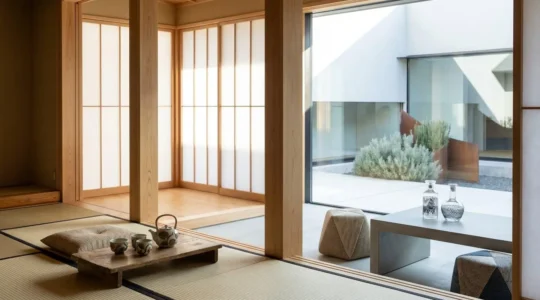
Ryokan vs. Hotel in Kyoto: How to Choose Your Perfect Cultural Experience
Choosing between a ryokan and a hotel in Kyoto isn’t about tradition vs. comfort—it’s about aligning your accommodation with your desired travel rhythm. Ryokans offer « structured serenity » with fixed schedules that immerse you in Japanese hospitality, while hotels provide the…
Lire la suite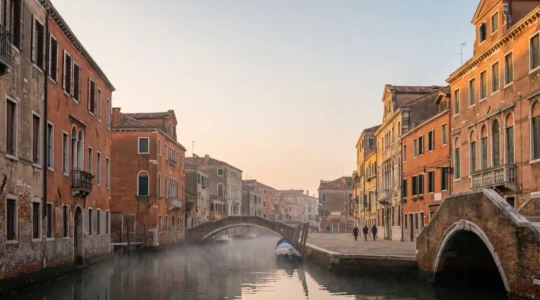
Where to Stay in Venice: Districts That Locals Actually Recommend?
Choosing a hotel in Venice is not about finding a dot on a map; it’s about deciding which version of the city you want to experience—the crowded theme park or the living, breathing heart. The most famous areas, like San…
Lire la suite
A hotel in paris : find the perfect stay in the city of light
Paris, the City of Light, captivates visitors with its timeless charm, iconic landmarks, and unparalleled romance. Finding the ideal hotel in this enchanting metropolis can transform your Parisian adventure from memorable to truly extraordinary. Whether you’re seeking opulent luxury, boutique…
Lire la suiteWhy hotels by the sea are perfect for your next vacation ?
Coastal getaways have long been cherished for their restorative powers and unparalleled beauty. The allure of seaside hotels extends far beyond picturesque views and sandy beaches. These coastal havens offer a unique blend of natural healing, culinary delights, and eco-conscious…
Lire la suite