Blog
Traveling through Europe and booking accommodations online should be exciting experiences, yet both are filled with unwritten rules, pricing mysteries, and potential pitfalls that can frustrate even seasoned travelers. Why do identical hotel rooms show different rates across platforms? How do you distinguish a genuine Italian trattoria from a tourist trap? What makes a brasserie menu price change between the terrace and the interior?
These questions represent just the surface of a deeper knowledge system that separates anxious travelers from confident ones. This resource brings together the essential intelligence you need across two critical aspects of travel: understanding European dining culture and navigating the complex world of hotel bookings. Whether you’re deciphering handwritten Italian specials, evaluating flash sale hotel deals, or protecting yourself from booking fraud, the insights here provide the foundation for smarter, more authentic travel experiences.
The following sections connect dining etiquette, authentic food discovery, booking strategies, deal evaluation, and fraud prevention into a comprehensive framework. Each area addresses real scenarios travelers encounter, offering practical solutions grounded in how these systems actually work.
Understanding European Dining Culture and Pricing
European dining operates on traditions and business models that often confuse visitors accustomed to different restaurant economics. The pricing structures, service expectations, and even the physical layout of dining establishments follow logic that becomes transparent once you understand the underlying principles.
Parisian Brasserie Price Variations
Parisian brasseries frequently display different prices for the same item depending on where you consume it. A coffee at the bar might cost €2.50, while the identical drink served at a terrace table could be €6.00. This isn’t arbitrary pricing—it reflects real estate costs, service levels, and a tiered business model dating back decades. The prime terrace seating on a Boulevard Saint-Germain commands premium rent, which establishments pass to customers choosing those locations. Bar service requires minimal staff time, while table service includes attentive waitstaff throughout your visit. Understanding this system helps you make informed choices based on your budget and desired experience rather than feeling deceived by inconsistent pricing.
Italian Restaurant Categories Explained
Italy’s dining landscape includes distinct establishment types, each with different service models and expectations. An osteria traditionally offers simple, wine-focused experiences with limited food menus. A trattoria provides family-style, regional cooking in casual settings with moderate prices. A ristorante delivers formal service, extensive wine lists, and refined preparations at higher price points. These distinctions matter because walking into a ristorante expecting trattoria prices—or seeking quick, casual service in a formal establishment—creates frustration on both sides. The coperto charge (cover charge) you’ll encounter varies by category: typically €1-3 at trattorias for bread and table setting, sometimes €5-8 at ristorantes including amuse-bouche and premium linens. Legitimate coperto appears clearly on menus; unlisted charges merit questioning.
Navigating Service Etiquette as a Foreigner
European service culture prioritizes unobtrusive professionalism over the frequent check-ins common in other dining traditions. Waitstaff in established brasseries and trattorias view interrupting your conversation as poor service. This means you’ll need to make clear eye contact or a subtle hand gesture when you’re ready to order or request the bill. Walk-in diners at popular establishments often receive less desirable seating—near kitchen doors or bathrooms—because prime tables are reserved for regulars or advance bookings. Calling ahead, even 30 minutes before arrival, dramatically improves your seating options. During peak service windows, which Italian locals observe religiously (lunch typically 13:00-14:30, dinner 20:00-22:00), restaurants operate at full capacity with optimized kitchen timing.
Finding Authentic Local Food Experiences
Authenticity in regional cuisine involves understanding seasonality, sourcing practices, and the visual signals that distinguish genuine local establishments from tourist-oriented imitations designed to match visitor expectations rather than actual traditions.
Spotting Tourist Traps and Regional Fakes
Restaurants displaying multilingual picture menus near major attractions frequently serve industrialized versions of regional dishes. Genuine establishments typically feature menus in the local language, sometimes with minimal translation, because their primary customers are locals. The presence of aggressive hosts soliciting passersby, particularly in tourist zones, strongly correlates with inflated prices and mediocre quality. Authentic regional dishes follow strict seasonal availability—a Roman restaurant offering carciofi alla giudia (fried artichokes) in August is serving frozen product, as the traditional romanesco artichoke season ends in May. Similarly, many “traditional” dishes appearing on hotel breakfast buffets are modern inventions: French hotels serving croissants alongside pain au chocolat accurately represent current habits, but Italians rarely eat sweet pastries for breakfast, preferring simple espresso and biscotti.
Seasonal Availability and Market Sources
European restaurants with daily-changing menus based on market deliveries demonstrate commitment to fresh, seasonal ingredients. Parisian brasseries often receive deliveries between 5:00-7:00 AM from Rungis market, with the day’s offerings reflected in handwritten specials. This practice ensures peak freshness but means specific dishes may be unavailable by evening service. Farmers’ market stalls frequently offer more authentic preparation insights than restaurants—vendors happily explain traditional cooking methods because they’re selling ingredients, not experiences. The challenge lies in portion expectations: authentic regional dishes often come in sizes appropriate to multi-course meals (antipasto, primo, secondo structure in Italy), leaving single-course diners hungry if they don’t understand the meal architecture.
Decoding Menus Without Translation
Handwritten specials boards in Italian trattorias intimidate non-speakers, yet they often contain the best-value, freshest offerings. Learning key preparation terms—al forno (oven-baked), alla griglia (grilled), in umido (stewed)—provides more practical information than memorizing dish names. The absence of English menus at well-regarded trattorias isn’t hostility; it reflects a customer base that doesn’t require them. Staff at these establishments generally accommodate questions about ingredients and preparation methods with patience when approached respectfully. Using translation apps for individual words while understanding the menu structure (starters, first courses, second courses, sides ordered separately) yields better results than attempting full-sentence translation.
Strategic Hotel Booking Approaches
Hotel pricing operates through complex yield management systems designed to maximize revenue per available room. Understanding the mechanisms behind rate variations, booking channels, and room assignment practices transforms booking from gambling into strategic decision-making.
Direct Booking vs. Third-Party Platforms
The persistent question of whether booking directly with hotels or through platforms like Booking.com delivers better rates lacks a universal answer. Many hotel chains guarantee rate parity across channels but offer direct bookers additional benefits: room upgrades, flexible cancellation, late checkout, or loyalty points with measurable value. Third-party platforms provide consolidated comparison shopping and sometimes negotiate exclusive rates for specific room categories. The optimal strategy involves checking both channels for your specific dates, factoring in the total value proposition beyond the nightly rate. Direct bookings also establish a relationship with the property, which can prove valuable if issues arise, as you’re a direct customer rather than a commission-generating third party.
Optimal Booking Windows
City hotels exhibit different pricing patterns than resorts. For business-oriented urban properties, booking 2-4 weeks ahead typically captures the sweet spot between early-bird rates and last-minute desperation pricing. Booking months ahead often means paying higher rates before the hotel understands actual demand. Weekend city hotel rates frequently drop as the week progresses, while weekday rates firm up. The “only 2 rooms left” scarcity warnings on booking platforms often reflect rooms available at that specific rate tier, not total availability—properties may have dozens of rooms at slightly higher price points. This artificial urgency pushes immediate bookings before customers comparison shop.
Reading Room Photos Critically
Hotel photography employs techniques that systematically misrepresent actual experiences. Wide-angle lenses make rooms appear 30-40% larger than reality. Photos carefully avoid showing actual window views, instead focusing on interior design elements. When view photos do appear, they’re often taken from roof terraces or premium suites rather than standard room windows. Reading guest-submitted photos on review platforms provides more accurate representations. Examining photo metadata (if available) reveals whether images were taken recently or represent renovations from years past. Room categories with identical square footage can deliver vastly different experiences based on floor level, view orientation, and proximity to elevators or ice machines—details rarely specified during booking.
Evaluating Hotel Deals and Discount Claims
Hotel discount marketing relies on reference price manipulation, bundling strategies, and time-pressure tactics designed to obscure whether promotional rates represent genuine savings or standard pricing with inflated comparisons.
Anatomy of Fake Discounts
A hotel advertising “50% off” frequently compares against a rack rate (official published rate) that virtually no customer ever pays. Tracking a specific hotel’s pricing over 4-6 weeks often reveals that the “discounted” rate matches their standard selling price. Genuine discounts show clear patterns: off-season reductions when demand naturally drops, last-minute inventory clearing for unsold rooms within 48 hours of arrival, or legitimate early-booking incentives offering 15-20% reductions for non-refundable commitments made 60+ days ahead. The key distinction involves whether the comparison price reflects what customers actually paid recently versus a theoretical maximum rate used solely for marketing purposes.
Package Deals vs. À La Carte
Hotel packages bundling accommodation with breakfast, parking, or spa credits require careful mathematics. A package adding breakfast for €25 per night needs comparison against the actual breakfast price (often €15-18 when purchased separately) and whether you’d typically eat hotel breakfast versus exploring local cafes. Parking packages deserve particular scrutiny—adding parking for €30/night makes sense when public garages charge €45, but not when free street parking exists two blocks away. Inflexible package deals also lock you into services you may not use: the spa credit expires if unused, the included dinner limits your restaurant exploration, and the bundled airport transfer runs on the hotel’s schedule rather than yours.
Combining Loyalty Programs with Promotions
Sophisticated bookers stack multiple discount sources for cumulative savings. Major hotel chains allow loyalty member rates (typically 5-15% off standard rates) to combine with promotional codes for specific properties or booking periods. Credit cards offering hotel category bonuses (3-5 points per dollar) or periodic statement credits for hotel spending add another value layer. The mathematics matter: a 10% loyalty discount plus 4 points per dollar on a $200 booking saves $20 immediately and generates 800 points worth approximately $8-12 in future stays, creating total value around 15-17%. However, these benefits typically apply only to direct bookings, not third-party platform rates, requiring price comparison to determine the better net value.
Protecting Yourself from Booking Fraud
Booking scams range from sophisticated fake hotel websites to subtle manipulation of legitimate platforms. Protection requires understanding common fraud patterns, verification procedures, and payment methods that offer recourse when problems occur.
Identifying Fake Hotel Websites
Fraudulent hotel booking sites replicate legitimate hotel branding with subtle URL variations—substituting “hotelbooking.com” for the actual “hotelname.com” or adding extra words like “hotelname-reservations.com.” These sites collect payment information and send convincing confirmation emails, but no actual reservation exists. Verification steps include checking the domain registration age (scam sites are often newly created), looking for HTTPS security certificates, and comparing contact information against the hotel’s verified social media profiles or official tourism board listings. Prices dramatically below market rates—such as five-star hotels at £30 per night—function as obvious red flags, exploiting the cognitive bias that seeks impossibly good deals.
Verifying Your Reservation Exists
After booking through any channel, direct confirmation with the property provides essential validation. Calling the hotel’s publicly listed phone number (not a number provided in the booking confirmation email, which could be fraudulent) and providing your confirmation number verifies the reservation exists in their system. Legitimate bookings should appear within 24 hours of purchase. Email confirmations deserve scrutiny: check whether the sender domain matches the hotel or booking platform’s official domain, not a variation using free email services. Discrepancies between the booked room category and what the hotel confirms on file indicate potential issues requiring immediate resolution before arrival.
Payment Method Protection Strategies
Credit cards offer substantially better fraud protection than debit cards for hotel bookings. Credit card transactions allow chargeback disputes when services aren’t delivered as described, providing leverage when dealing with fraudulent bookings or misrepresented properties. Debit cards withdraw funds immediately from your bank account, making recovery slower and more complex. Many credit cards also include travel protection benefits: trip cancellation coverage, rental car insurance, and secondary medical coverage that activate when you charge travel expenses to the card. Virtual credit card numbers—temporary card numbers generated for single transactions—add another security layer, preventing compromised merchant databases from exposing your actual card details to future fraud.
The intersection of dining culture and accommodation booking might seem disparate, but both require the same fundamental skill: understanding the systems that govern pricing, service, and authenticity. European restaurants and hotels operate on models shaped by local tradition, economic reality, and regulatory frameworks that differ from other markets. The confident traveler doesn’t memorize every rule but develops the analytical framework to decode unfamiliar situations, verify claims, and make decisions aligned with their priorities rather than marketing pressure. Whether you’re evaluating a handwritten special at a Roman trattoria or a flash sale for a Paris hotel, the same principle applies: look beneath the surface presentation to understand the underlying economics and incentives at play.

How to Avoid Fake Hotels and Booking Scams Online?
The greatest myth in travel booking is that sticking to “trusted” platforms keeps you safe; the reality is that sophisticated scams now thrive by hijacking legitimate listings. Scammers exploit your trust in major booking sites by compromising real hotel accounts…
Read more
How to Spot Real Hotel Deals From Inflated “Discounts”
The key to genuine hotel savings isn’t finding ‘deals’, it’s learning how to audit them; most promotions are built on psychological tricks, not real value. Inflated “rack rates” create the illusion of a large discount when the final price hasn’t…
Read more
Beyond the ‘Book Now’ Button: A Guide to Mastering Hotel Booking Literacy
The secret to smart hotel booking isn’t finding more deals; it’s learning to see through the psychological architecture designed to sell them. Misleading photos and fake scarcity warnings are not exceptions; they are standard tools used by booking platforms to…
Read more
How to Ask Hotel Staff Which Local Dishes You’re Actually Missing?
Getting authentic local food isn’t about asking the right person; it’s about understanding the system that often hides it from you. Large hotels prioritise supply chain efficiency over local breakfast specialities, and luxury concierges often recommend reliable, tourist-vetted partners over…
Read more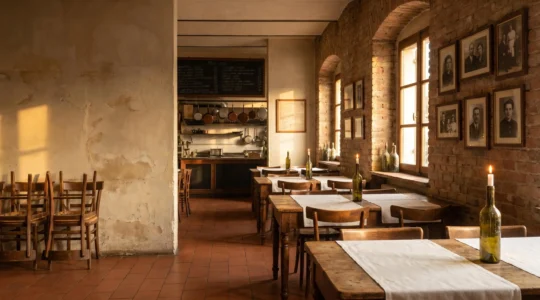
How to Find Real Family Trattorias in Tourist-Heavy Italian Cities?
Finding a real Italian trattoria isn’t about avoiding tourist sites; it’s about decoding the cultural and economic signals the tourism industry ignores. Authenticity is signaled by what’s missing: English menus, long opening hours, and “international” dishes. The timing of your…
Read more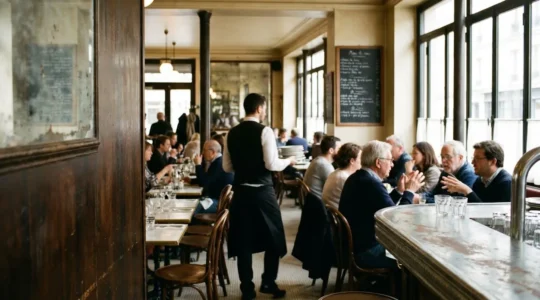
How to Identify Authentic Parisian Brasseries Versus Their Tourist Replicas
Authenticity in a Parisian brasserie is not a vintage aesthetic; it is a verifiable system of cultural and economic signals that separates a living institution from a themed restaurant. Genuine brasseries exhibit “patina of use”—real wear on zinc bars and…
Read more
5 reasons to book an aparthotel for your next business trip to paris
Paris, the City of Light, beckons business travelers with its blend of rich culture and thriving commerce. As you plan your next corporate journey to this iconic metropolis, consider the advantages of booking an aparthotel. These innovative accommodations offer a…
Read moreVacation rentals : a smarter, more personalized way to stay on vacation
The landscape of travel accommodation has undergone a dramatic transformation in recent years. Vacation rentals have emerged as a popular alternative to traditional hotels, offering travelers a unique blend of comfort, privacy, and local authenticity. This shift reflects a growing…
Read moreHow concierge services can enhance your business trip experience ?
Business travel can be a whirlwind of meetings, tight schedules, and unfamiliar environments. However, with the right support, it can transform into a seamless and productive experience. Concierge services have emerged as a game-changer for business travelers, offering a range…
Read more
Hotels offering specific facilities for business stays: work and relax in style
The modern business traveler demands more than just a comfortable bed and basic amenities. Today’s corporate hotels are evolving to meet the complex needs of professionals who require seamless connectivity, productive workspaces, and rejuvenating environments. These establishments are redefining the…
Read more