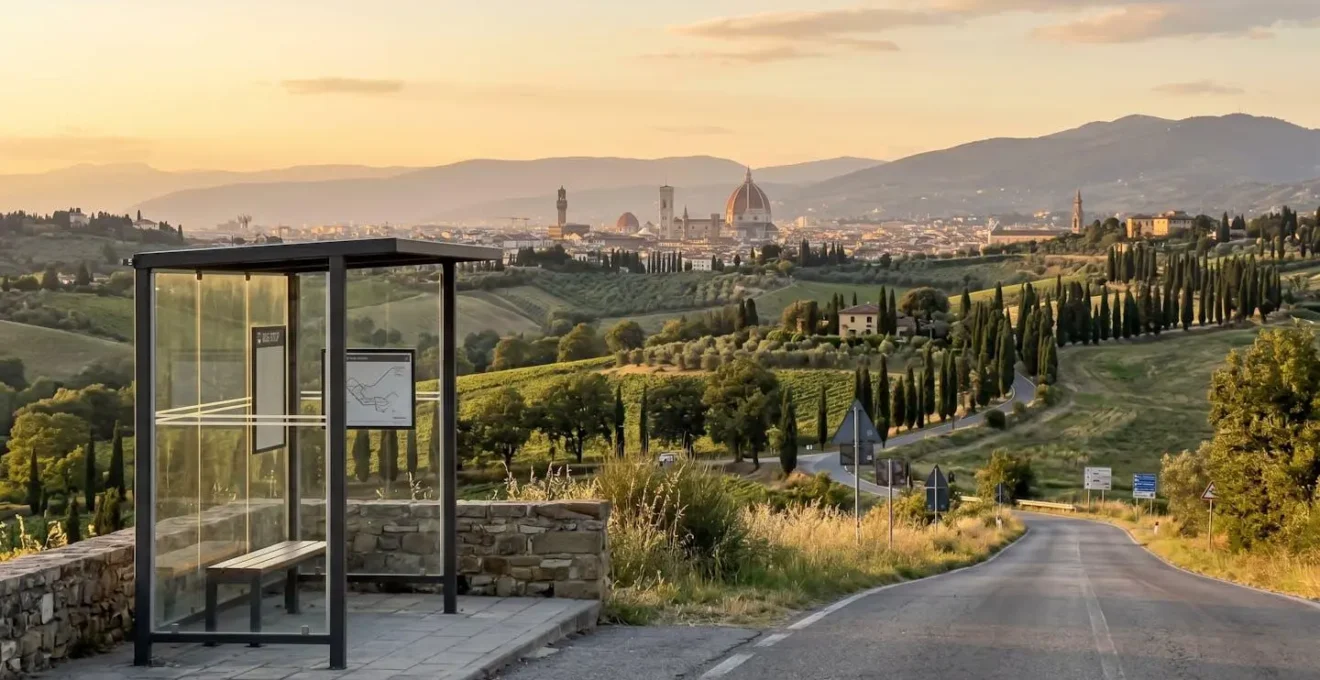
Planning a Tuscany itinerary without a rental car often feels like solving a logistical puzzle—coordinating train schedules, buying separate tickets for each leg, and hoping everything aligns with museum opening hours. The good news: a dedicated multi-day pass now connects the region’s most iconic cities with unlimited travel, eliminating the stress of car rentals, ZTL restricted zones, and fragmented public transport tickets.
Yes, the Tootbus Multi-Day Pass connects Florence, Pisa, and Lucca—plus Siena and San Gimignano—via two dedicated routes with unlimited travel for 2, 3, or 5 days.
Yes, the Tootbus Multi-Day Pass Connects All Three Cities (and More)
The short answer to your question is an unambiguous yes. Tootbus operates a Multi-Day Pass system specifically designed for travelers who want to explore Tuscany’s Renaissance and medieval gems without the headache of car rentals or the rigidity of fixed-schedule tours. The pass covers not just the three cities in your search—Florence, Pisa, and Lucca—but extends to two additional UNESCO and heritage destinations: Siena and San Gimignano.
This isn’t a generic regional bus ticket. While Autolinee Toscane, the official regional network, operates over 950 public transport lines across Tuscany with 37,000 stops serving residents and commuters, it doesn’t offer a dedicated multi-day tourist pass bundling intercity routes. That’s where Tootbus fills the gap: it’s a tourist-focused service running two color-coded routes (Green and Terracotta) that loop through the five most-visited cities in the region, with flexible unlimited travel between cities during your pass validity period.
The system works on a simple premise. Purchase a pass valid for 2, 3, or 5 consecutive days, and you gain unrestricted travel on both routes, and no stress about missing a connection. The pass activates on first use—not on purchase date—giving you control over departure timing, and you can start from any stop along either route, treating each city as an equal starting point rather than forcing a hub-and-spoke structure.
The Two Routes: Green Line and Terracotta Line Explained
Understanding which route serves which city prevents the common mistake of buying a pass and then discovering your priority destination isn’t on your chosen line. The Tootbus network divides Tuscany’s top attractions across two distinct routes, each anchored in Florence and radiating to different clusters of cities. The design reflects traveler behavior: most visitors base themselves in Florence and take day trips outward, though the system equally supports multi-city hotel hopping.
Route coverage and travel times verified as of January 2026. Journey durations are typical estimates and may vary based on traffic and time of day.
| Route Name | Cities Covered | Key Attractions | Typical Use Case | Approx. Travel Time |
|---|---|---|---|---|
| Green Line | Florence → Pisa → Lucca | Leaning Tower, Medieval Walls, Uffizi access | Classic Tuscany trio + UNESCO sites | Florence→Pisa ~1h 15min, Pisa→Lucca ~30min |
| Terracotta Line | Florence → Siena → San Gimignano | Piazza del Campo, Medieval Towers, Chianti region | Gothic architecture + wine country | Florence→Siena ~1h 30min, Siena→San Gimignano ~45min |
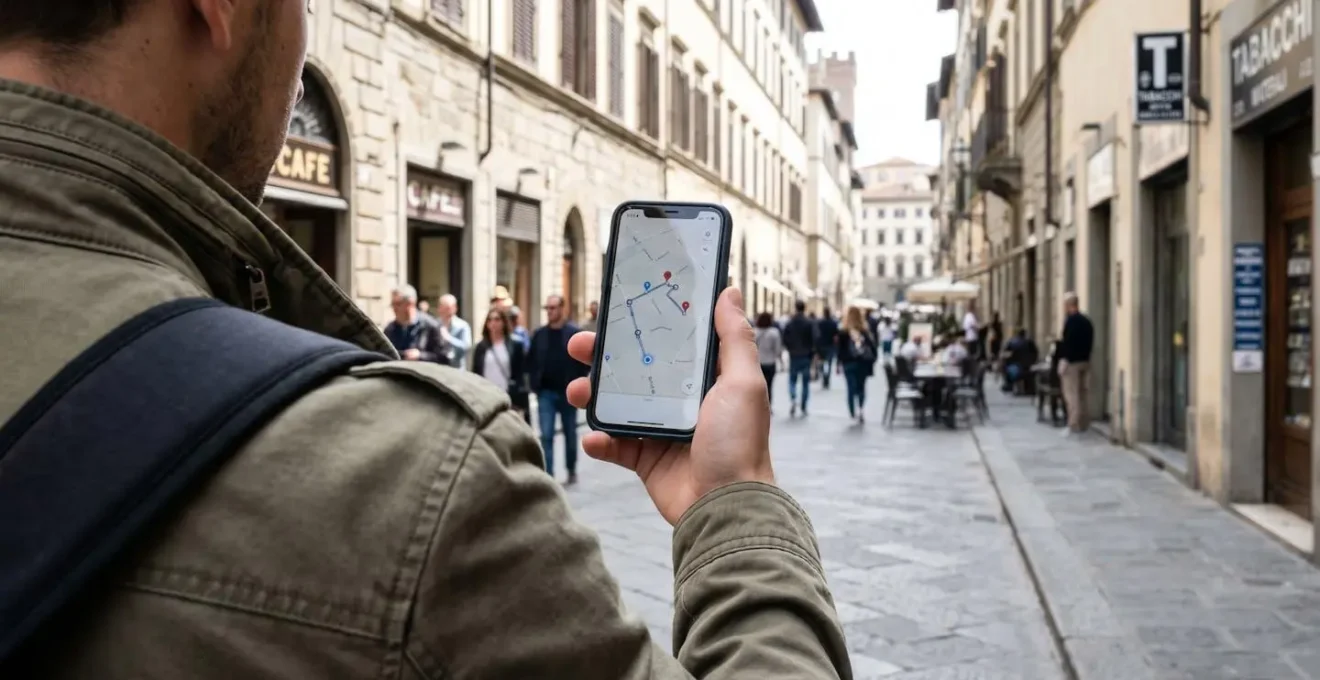
The “unlimited” claim holds up in practice. During your pass validity window, board and disembark as many times as your itinerary demands. Spend two hours in Pisa for the obligatory Leaning Tower photo, then continue to Lucca for an afternoon bike ride atop the Renaissance-era ramparts, and return to Florence for dinner—all on a single day’s pass activation. The system doesn’t cap your trips or penalize backtracking.
Florence serves as the natural transfer hub. Both routes originate and terminate in the city, which means travelers staying in Florence can access all five destinations without needing to change accommodation bases. For those preferring a slower pace, the pass equally supports spending one night in Lucca, the next in Siena, with your luggage traveling alongside you in the bus storage compartments.
Tootbus Multi-Day Pass: Your Tech-Enabled Key to Flexible Tuscany Travel
The reality of multi-city Tuscany travel without a car traditionally meant juggling Trenitalia regional train schedules, deciphering Italian-only bus timetables at rural stops, or surrendering to typical car rental costs starting around 80€/day plus ZTL restricted-zone fines that can reach €150 or more if you accidentally drive into Florence’s historic center. Tootbus was built specifically to solve this friction point: it’s a tourist-transport system designed by people who understand that first-time visitors to Italy need clarity, flexibility, and English-language support baked into every touchpoint.
The mechanics are straightforward. Two routes—Green (Florence-Pisa-Lucca) and Terracotta (Florence-Siena-San Gimignano)—operate daily with consistent schedules optimized for day-trip timing rather than commuter rush hours. Buses feature onboard Wi-Fi, air conditioning, and dedicated luggage storage. The mobile app provides real-time geolocation showing exactly where the next bus is on the route and its estimated arrival time at your current stop, eliminating the anxiety of “did I just miss it?” that plagues travelers unfamiliar with Italian transport punctuality norms.
What’s Included Beyond the Bus Ride: Your Multi-Day Pass unlocks more than unlimited intercity travel. Guided walking tours operate in each of the five cities, led by local experts who contextualize the architecture and history you’re seeing. Audio guides in multiple languages stream through the mobile app, narrating points of interest as your bus approaches them. The AI assistant Tootie analyzes your interests and available time to suggest personalized itineraries—ask “I have 6 hours in Siena, what should I prioritize?” and receive a minute-by-minute plan accounting for walking distances and site opening hours.
The pricing structure rewards advance online booking. A 1-day pass starts at $50 (€46.55) with the 15% online discount applied, while 2-day, 3-day, and 5-day options scale up with diminishing per-day costs—the 5-day pass works out to roughly half the per-day rate of buying five separate 1-day passes. For context, the 340-million-euro modernization investment detailed by RATP Dev in Tuscany’s public transport infrastructure included over 426 new buses and 155 electric vehicles, signaling a broader regional shift toward encouraging tourists to replace private car travel with public and semi-public bus networks.
The Tootie AI assistant deserves special mention. Unlike static printed guides or generic audio commentary, Tootie adapts to your real-time situation. Missed the morning bus to Pisa? Ask Tootie to reoptimize your day, and it will suggest visiting Lucca first while traffic is lighter, then catching the afternoon Pisa bus when tour groups have dispersed. Traveling with kids who lose focus after 90 minutes? Tootie can filter recommendations to prioritize hands-on experiences (climbing the Leaning Tower, biking Lucca’s walls) over static museum halls.
Consider a Denver family of four planning their first Tuscany trip. Initially, they budgeted for a rental car to visit Florence, Pisa, and Lucca over three days. After researching ZTL restricted zones, they discovered the risk of automatic €150 fines for entering Florence’s historic center, plus €25/day parking fees at each destination. Switching to the 3-day Tootbus Multi-Day Pass cut their total transport cost from €320+ (car rental + parking + fuel) to €140 for the family, eliminated navigation stress, and freed up time previously allocated to searching for legal parking spots—time they redirected to an extra Uffizi Gallery visit.
Walking tours included with your pass operate on a first-come basis in each city, typically departing from the main bus stop twice daily. These aren’t rushed 45-minute overviews but 90-to-120-minute deep dives led by local historians who know which gelato shop Michelangelo’s descendants still own and which cathedral side entrance lets you skip the 200-person queue. The value-add transforms the pass from pure transport into a comprehensive cultural-access tool.
Your Tuscany Pass Questions Answered
How do I choose between the 1-day, 2-day, 3-day, or 5-day pass?
Match your pass to your actual Tuscany stay duration and city priorities. A 1-day pass works for a tightly focused Florence-plus-Pisa day trip when time is limited. The 2-day option suits travelers spending one night in Lucca or Siena with a return to Florence. Go for 3 days if you want comprehensive coverage of three to four cities without feeling rushed, allowing time for both major sites and wandering quiet neighborhoods. The 5-day pass makes sense for immersive exploration where you’ll revisit favorite spots or take your time in smaller towns like San Gimignano that reward slow discovery.
Is the “unlimited travel” truly unlimited, or are there hidden restrictions?
Unlimited means exactly that—hop on and off as many times as you want during your pass validity period on both Green and Terracotta routes. No seat reservations required, no trip caps, no surge pricing during peak hours. The only constraint is the pass expiration: a 3-day pass gives you 72 hours of access from the moment you first board, not three calendar days, so activating it at noon on Monday means it expires at noon on Thursday.
What’s the luggage policy on the buses?
Standard carry-on luggage plus one checked bag per passenger are permitted, with dedicated storage compartments under the bus similar to intercity coach services. Standard wheeled suitcases (typically up to 23 kg under common carrier policies) fit comfortably. Oversized items like bicycles or ski equipment require advance confirmation with customer service, but typical tourist luggage for multi-city hotel changes presents no issues.
Do I get a better price booking online versus at the station?
Yes—online bookings receive up to 15% discount off walk-up station prices, with the 1-day pass starting at $50 (€46.55) online. Station purchases are available as a backup if you decide spontaneously to take a day trip, but you’ll pay the undiscounted rate and potentially face ticket-counter queues during peak summer and holiday periods when Florence and Pisa see their highest visitor volumes due to UNESCO World Heritage site status, as documented by Visit Tuscany’s official regional portal.
The broader shift toward car-free Tuscany tourism reflects both practical realities and sustainability priorities. Parking in Florence’s historic center is nearly impossible for non-residents, with ZTL cameras automatically ticketing unauthorized vehicles. Pisa’s Piazza dei Miracoli sits within a pedestrian zone requiring a half-mile walk from the nearest legal parking. Lucca’s medieval walls enclose a car-free old town where even taxis can’t enter. A multi-day pass turns these restrictions from obstacles into irrelevant details—you simply never need to think about where to park or whether you’re accidentally racking up fines.
- Identify priority cities and book appropriate pass duration online for 15% discount
- Download Tootbus app with offline maps and ask Tootie AI for personalized day-one itinerary
- Check walking tour departure times for your priority city and arrive at the main bus stop 10 minutes early to secure your spot with the local guide
The question of whether a bus pass links Florence, Pisa, and Lucca has a definitive answer: yes, and it extends your reach to two more UNESCO-caliber destinations without the logistics stress that traditionally came with car-free Italian travel. The system won’t solve every planning challenge—you’ll still need to coordinate museum reservations and restaurant bookings independently—but it eliminates the single biggest friction point American travelers face in Tuscany: how to move efficiently between cities when driving feels risky and trains feel fragmented. Book the pass, download the app, and let real-time geolocation handle the rest.