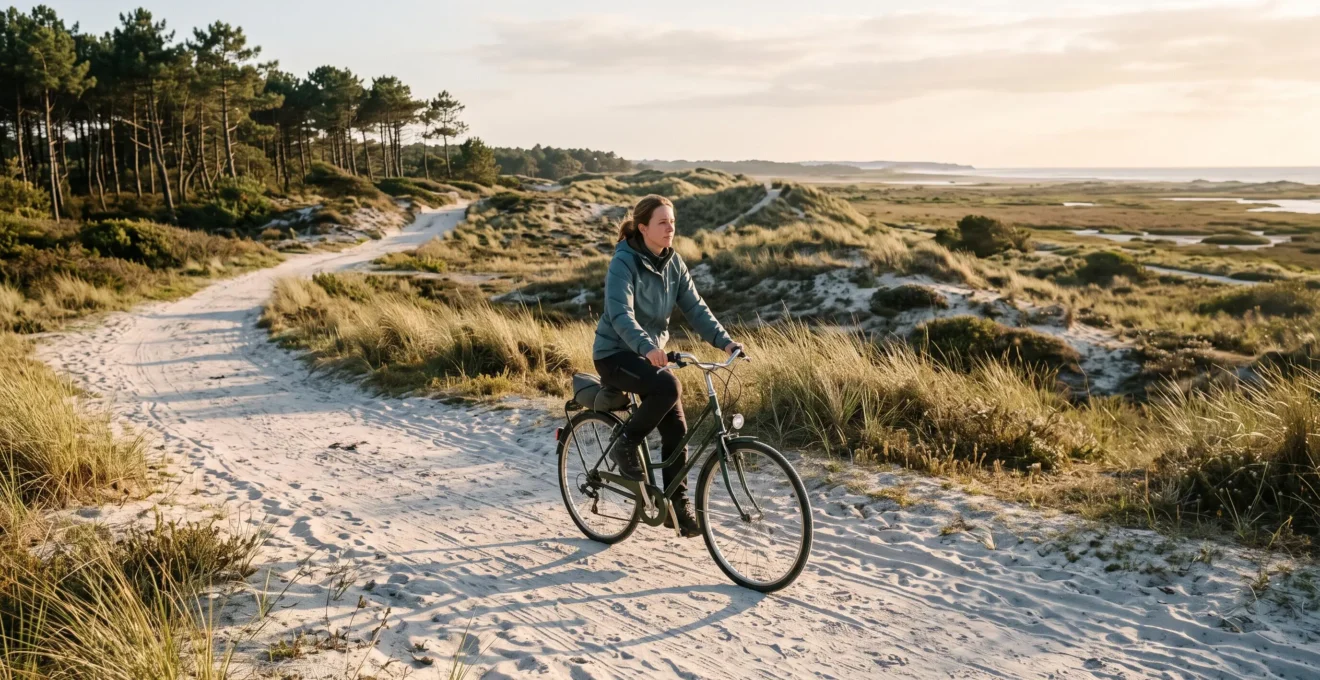
Direct answer: The best ways to experience nature on Île de Ré are to use the island’s bike paths as your main “transport,” then plan short, focused outings to salt marshes, dunes and forests, and birdwatching spots—choosing the right season and time of day to keep it calm and uncrowded.
If you’re short on planning time, a simple method works well: site → season → way to explore (bike, walk, or quiet observation). You’ll spend less time moving around and more time actually being outdoors.
A quick way to plan your nature days on Île de Ré
- Bike first: choose a base village with easy access to cycling trails, then build loops.
- Mix landscapes: pair salt marshes (slow, quiet) with coast or dunes (walks, sunsets).
- For birdwatching: aim for spring or autumn and go early or late in the day.
- Respect protected areas: rules can be strict—check access conditions before you go.
- Reduce friction: plan one “anchor” site per half-day and add a nearby short walk.
Why Île de Ré Is a Natural Playground for Outdoor Lovers
Île de Ré feels made for outdoor days because you can switch landscapes quickly: open Atlantic beaches, dunes, pinewoods, and flat salt marshes where light and reflections change by the hour. For a first-time visitor, that variety makes it easy to build days that don’t feel repetitive.
The island is also compact enough that nature isn’t “somewhere else.” Even if you’re staying in a village, you’re rarely far from a coastal path, a marsh-side track, or a sandy walk through low forest.
Finally, several areas are protected and managed, which is great for wildlife—provided you follow local rules. When in doubt, check official guidance from Destination Île de Ré (the tourism board) and reserve managers before heading into sensitive zones; for Lilleau des Niges, the tourism board explains that direct access to the reserve is forbidden while a free trail runs along its southern edge (see recommandations officielles observation oiseaux Lilleau des Niges).
What Are the Best Natural Sites to Explore on the Island?
Prioritize three “families” of places and you’ll cover most of what makes nature on Île de Ré special: (1) salt marshes and oyster-farming landscapes, (2) dunes and forests for walks, and (3) birdwatching areas where you observe without disturbing.
Salt marshes and oyster beds: what do you actually do there?
In the salt-marsh areas, the experience is slow and visual: long straight lines of water, salt grasses, and changing skies. The most rewarding approach is to walk short sections, stop often, and look for details—channels, birds feeding, and the geometry of the marsh.
Near oyster-farming zones, plan a half-day as a simple duo: start with a coastal stroll (low effort, great light), then continue inland toward marsh landscapes for a different mood. This “coast + marsh” pairing works well when the wind is stronger on the shore.
Responsible exploring in working landscapes: salt marshes and oyster areas can be active work sites; stick to marked paths and avoid crossing dikes or private-looking tracks.
Forests and dunes: where to go for an easy nature walk?
For dunes and pinewoods, aim for short, sandy loops rather than long, straight out-and-backs—sand slows you down and can feel harder than the distance suggests. The payoff is the contrast: sheltered forest sections, then open dune ridges with wide views.
In practice, this is where biking helps most: cycle to a trailhead, lock the bike, walk 30–90 minutes, then continue to the next landscape without needing a car. If you’re traveling with mixed fitness levels, keep one “soft” option (a flat coastal path) in your back pocket.
Birdwatching in the nature reserves: what’s the best plan for first-timers?
The easiest birdwatching plan on Île de Ré is to use official observation trails and platforms rather than trying to get closer. At the Lilleau des Niges National Nature Reserve, Destination Île de Ré notes that thousands of migratory birds pass through in spring and autumn, and it recommends renting binoculars at La Maison du Fier.
For a calm outing, go at dawn or late afternoon and keep your pace slow—your “activity” is mostly watching. A good first-timer rhythm is: 10 minutes walking, 5 minutes scanning, repeat.
Access rules matter here. Réserves Naturelles de France states that the Réserve naturelle nationale de Lilleau des Niges (managed by LPO France) was created on 31/01/1980 and covers an official area of 121 hectares (see the fiche officielle réserve Lilleau des Niges).
And the on-site reception center provides concrete regulations: within the reserve, access is forbidden; in the peripheral protection zone, non-motorized craft are forbidden from 1 November to 1 March (see réglementation officielle réserve Lilleau des Niges).
Practical access tip: if you want a “sure thing” for birdwatching without guesswork, choose managed sites with a marked trail—then plan your day around light (early/late) rather than distance.
Exploring Île de Ré by Bike: Trails and Practical Tips
Biking is the most straightforward way to connect the island’s best nature spots without constantly thinking about parking. The practical approach is to build your days as short loops: village → coast → marshes → village, with one longer stop (walk, viewpoint, picnic) as the highlight.
Because this article is limited to verified data, it doesn’t quote the total length of the cycling network. For the most accurate, up-to-date figure and route naming, check the official materials from Destination Île de Ré when you set your itinerary.
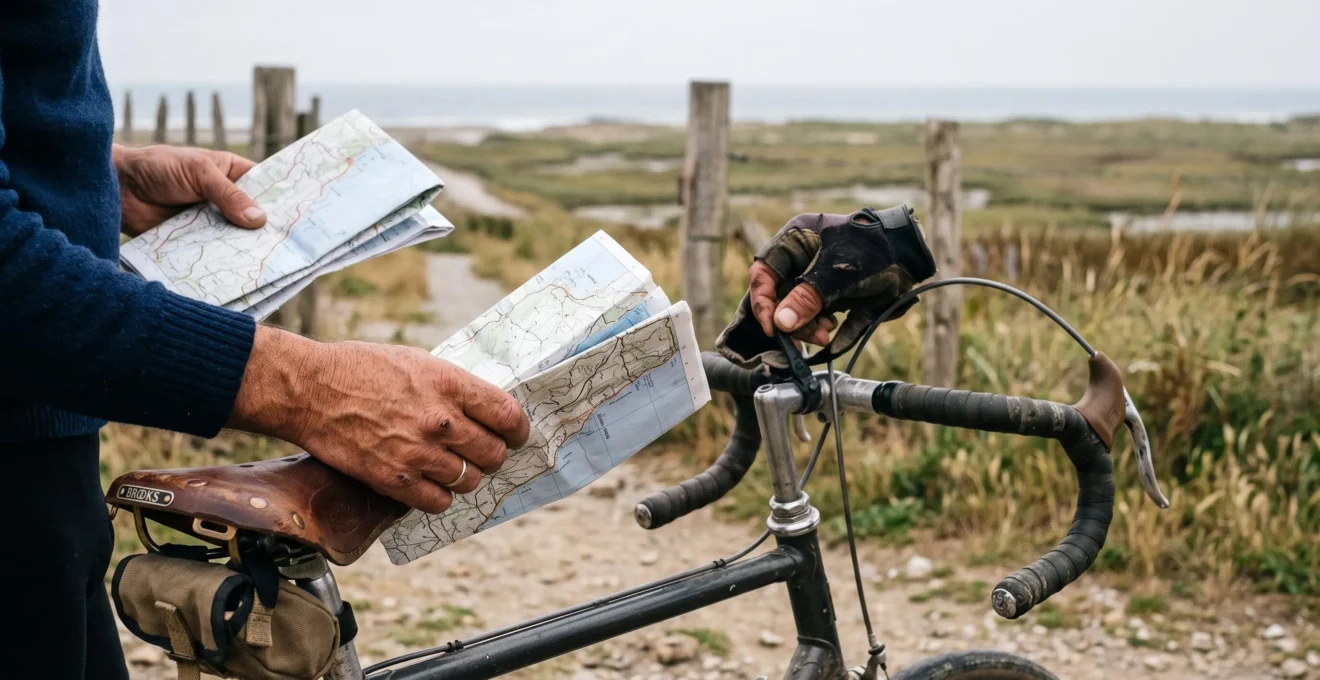
How do you explore Île de Ré by bike in practice?
Start with a simple decision: do you want salt marshes first (calmer, best in soft morning light) or coast first (great when you want open horizons and sea air)? Then connect them with the flattest-looking cycle sections you can find on your map.
- Pick one anchor stop
Choose one main place for the half-day (marsh walk, dune loop, or birdwatching trail) so the day has a clear purpose.
- Build a loop, not a line
Loops feel easier mentally and help you avoid backtracking in windier conditions.
- Plan two short “micro-stops”
Add one viewpoint and one snack/water stop so you don’t rush the landscapes.
- Keep a quiet alternative
If it’s crowded on the coast, switch to inland tracks near salt marshes for a calmer ride.
Bike rental, safety, and shared-trail etiquette
For rentals, the most practical choice is simply the shop closest to where you’ll start each morning—especially if you’re riding daily. When you pick up bikes, check brakes, lights, and the lock, and ask where you can safely park at popular trailheads.
On shared paths, ride predictably and keep speed low around walkers. In dune and marsh areas, stay on marked routes: it protects fragile habitats and keeps you from getting stuck in soft sand or muddy edges.
Which parts of the island are best experienced by bike?
The “best” stretches are the ones where biking lets you chain contrasts: a coastal section for big views, followed by an inland segment where you slow down and scan marshes and channels. That mix is exactly what makes cycling around Île de Ré feel like nature sightseeing rather than sport.
When Is the Best Time to Enjoy Nature on Île de Ré?
If your priority is nature first and crowds second, spring and autumn are often the easiest choices: milder temperatures for biking, softer light for marsh landscapes, and (for Lilleau des Niges) the tourism board specifically highlights migratory bird activity in those seasons.
Summer can still work well if you adjust your timing. The simplest crowd-avoidance strategy is to visit popular coastal areas early morning or late afternoon, then use the middle of the day for inland rides and shaded forest walks.
Winter is quieter and can feel raw and beautiful on the Atlantic side, but conditions can be windier and days are shorter—so plan shorter loops and have a flexible plan B.
Before you go: access rules can vary by protected zone and season; verify local regulations for trails, dunes, and reserves before your visit.
Planning Your Nature Stay: Where to Stay and How to Organize
Where should you stay to be close to nature? Pick a base village based on your priority landscape: if you want daily marsh and birdwatching time, stay closer to the north/coastal reserve area; if you want long beach rides and dune walks, a base with quick access to ocean-side paths will feel easier. The goal is simple: less transit, more time outdoors.
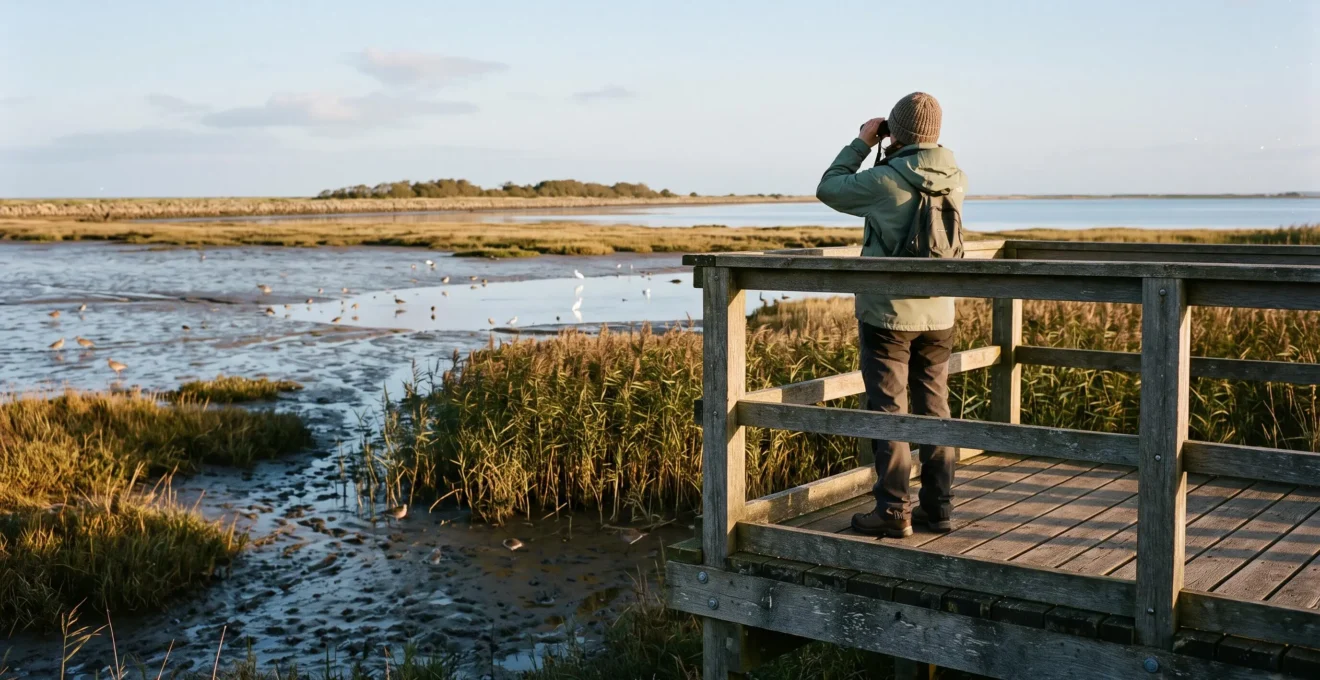
How do you organize days without overplanning?
Think in half-days. One half-day = one main nature site + one nearby “texture” (a short coastal segment, a village stop, or a shaded forest loop). This keeps your schedule realistic and reduces the fear of missing out—because each block is anchored.
If you’re hesitating between many options, use distance as a tie-breaker: choose the site that lets you create a loop from where you sleep. If your base requires repeated long transfers, even the best spots can feel stressful.
Cas pratique
Hypothetical 2-day nature stay: Day 1, plan a bike loop that mixes a coastal ride with an inland salt-marsh section, adding a 60–90 minute dune walk as your anchor. Day 2, go early for birdwatching on an official trail near Lilleau des Niges, then keep the afternoon flexible with a shorter forest ride—use late light for one last calm coastal stretch.
What to pack for outdoor days on the island
Pack for wind and sun at the same time: a light windproof layer, sun protection, and enough water for longer bike stretches. For birdwatching, binoculars make the experience dramatically better—and official local guidance for Lilleau des Niges mentions renting them at La Maison du Fier.
If you want to add a slower day to your itinerary (especially after several bike loops), you can also plan a sea-facing reset: this article on seaside stays can help you think through that kind of break in your schedule.
What are the best nature spots on Île de Ré for a first-time visitor?
Which season is ideal for birdwatching and salt marshes on Île de Ré?
How do you plan a short nature-focused stay on Île de Ré?
If you want to experience nature on Île de Ré without feeling like you’re constantly “chasing the next spot,” make biking your default, then pick just a few anchor places—marshes, dunes/forest, and an official birdwatching trail—matched to the season and time of day you’ll enjoy most.