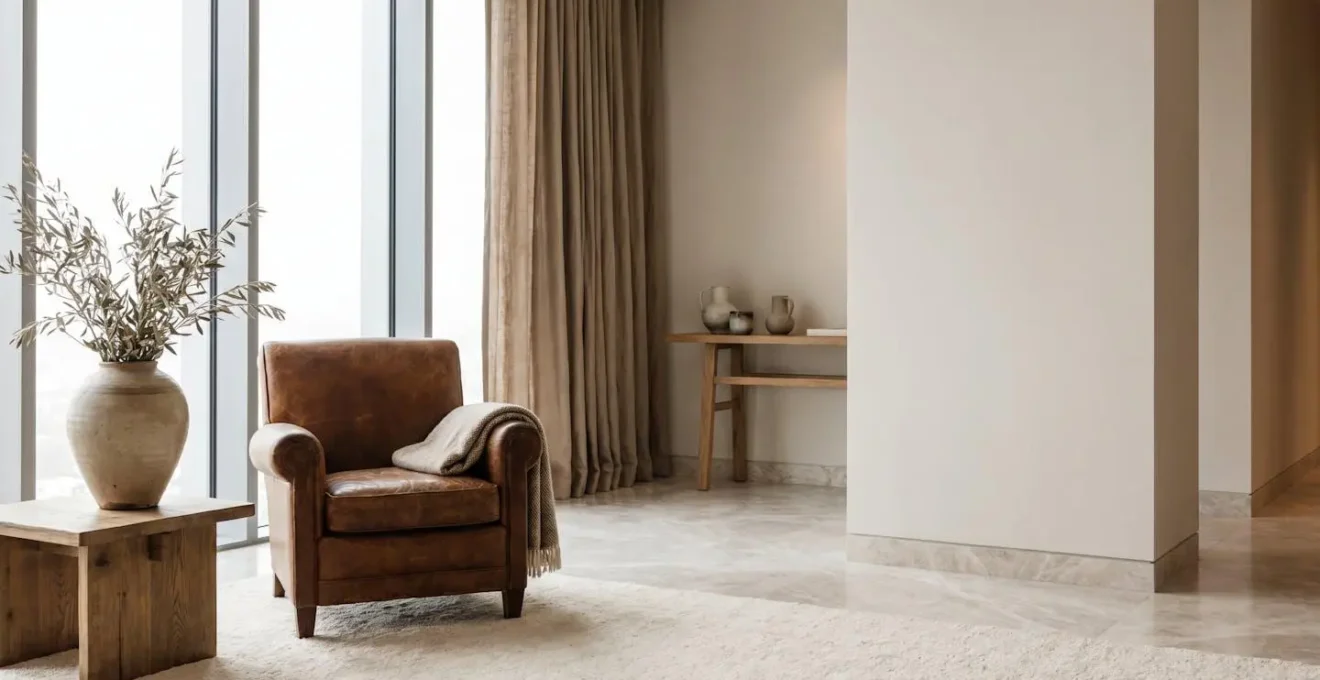
True hotel refinement isn’t found in flashy logos or grand lobbies, but in the deliberate, often invisible, details designed to make you feel uniquely cared for.
- “Quiet Luxury” prioritizes timeless materials and thoughtful craftsmanship over fleeting, ostentatious trends.
- The most sophisticated service is “invisible,” anticipating needs before they arise through meticulous, unseen choreography.
Recommendation: To find these exceptional hotels, learn to look for their unique sensory signature and the authenticity of their daily rituals, rather than just their star rating.
In a world saturated with the imagery of luxury, the modern traveller often encounters a paradox. You check into a hotel lauded for its five-star status, surrounded by gleaming marble, designer brand names, and grand architectural statements. Yet, something feels hollow. The experience is opulent but not enriching, expensive but not personal. This disconnect often arises because many establishments confuse conspicuous consumption with genuine refinement. They focus on what can be easily photographed rather than on what can be deeply felt.
The common advice is to look for high thread-count sheets, well-known toiletry brands, or an impressive lobby. While pleasant, these have become table stakes in the premium category, easily replicated and often lacking in soul. They are the loud, declarative statements of luxury, not the quiet, confident whispers of true refinement. What if the most profound indicators of quality are not meant to be seen at first glance? What if they are details you feel in the weight of a door, the texture of a menu, or the silence of a well-insulated room?
This article moves beyond the obvious checklist. It offers a new lens through which to evaluate a hotel, focusing on the subtle, intentional choices that reveal a deep, underlying commitment to the guest’s experience. It’s about learning to detect the difference between a hotel that simply has luxurious things and one that is, in its very essence, a luxurious experience. We will explore the philosophy of “quiet luxury,” decode the language of invisible service, and understand how curated daily rituals can transform a simple stay into a cherished memory.
This guide provides a framework for recognizing the deliberate, often unseen, details that signal a hotel’s genuine commitment to excellence. By exploring these eight key areas, you’ll gain the ability to discern true, understated refinement from mere superficial luxury.
Summary: What Are the Subtle Hotel Details That Signal True Refinement?
- Why Do Truly Refined Hotels Avoid Ostentatious Displays?
- How to Spot the Tiny Hotel Details That Reveal True Care?
- Invisible Service or Attentive Presence: Which Signals Refinement?
- The Hotel So Refined It Feels Cold and Unwelcoming
- When Do Subtle Refinements Matter More Than Obvious Luxury?
- Bold Design Statement or Quiet Elegance: Which Luxury Approach Ages Better?
- How to Find Hotels With Unique Daily Rituals You’ll Remember?
- What Transforms a Good Hotel Stay Into an Exceptional Memory?
Why Do Truly Refined Hotels Avoid Ostentatious Displays?
True refinement speaks, it doesn’t shout. In the world of high hospitality, a shift is underway from overt, logo-driven luxury to a more confident, understated approach. Ostentatious displays—gilded lobbies, excessive branding, trend-driven decor—are increasingly seen as a sign of insecurity, an attempt to buy prestige rather than earn it. A genuinely refined hotel doesn’t need to prove its worth with flash; its value is inherent in its substance, its quality, and its unwavering attention to the guest experience. This philosophy aligns with the growing “quiet luxury” trend, which is emerging as a dominant design philosophy for 2024-2025, prioritizing craftsmanship and quality materials over loud pronouncements of wealth.
The decision to avoid ostentation is a strategic one. It signals a belief that the discerning guest values authenticity over artifice. As luxury commentator Larry Mogelonsky notes, “Luxury means wholly embodying the real thing.” This means investing in what matters: superior service, impeccable comfort, and a seamless environment. Instead of a cavernous lobby designed to awe, a refined hotel might create smaller, more intimate spaces that encourage quiet conversation. Instead of covering every surface with a logo, it relies on a unique design language and sensory signature to create a memorable brand identity. This approach fosters a deeper connection with guests who appreciate substance and can recognize quality without needing a label to point it out.
Ultimately, avoiding ostentation is an act of confidence. It’s a declaration that the hotel’s foundation is built on genuine quality, not fleeting trends. It trusts that its guests are sophisticated enough to recognize and appreciate the quiet excellence woven into every aspect of their stay, from the weight of the flatware to the silence of the hallways. This restraint is not about minimalism for its own sake; it’s about editing out the noise to let the true quality shine through.
How to Spot the Tiny Hotel Details That Reveal True Care?
The most profound expressions of care in a hotel are often found in the details you feel rather than see. True refinement lies in a hotel’s “sensory signature”—the cohesive experience created by the texture, weight, sound, and feel of every object you interact with. It’s the satisfying, solid click of a heavy door latch, signaling security and quality craftsmanship. It’s the subtle texture of high-quality, letter-pressed paper for the in-room dining menu, which communicates a respect for the culinary program. These are not accidents; they are the result of countless conscious decisions made by a team obsessed with the guest’s tactile experience.
This level of detail reveals a philosophy that extends beyond mere aesthetics. As the Artonem Manufacturing Design Team points out, “Fabric choices carry so much of the luxury experience… because they’re personal. They touch skin. They set the mood.” This is why a refined hotel invests in blackout curtains made from a heavy, light-absorbing material that also dampens sound, rather than a standard synthetic fabric. It’s the difference between a purely functional object and one that contributes to a feeling of sanctuary and well-being. Look for the quality of the stitching on upholstery, the perfect alignment of patterns where fabrics meet, and the absence of any visible glue or cheap plastic.
These micro-details are proxies for a hotel’s overall commitment to excellence. If an establishment has obsessed over the ergonomic feel of its door handles and the acoustic properties of its curtains, it has almost certainly applied the same rigor to its service standards, cleanliness protocols, and staff training. They are the physical manifestation of a culture of care that permeates every level of the operation.
Your Refinement-Spotting Checklist
- Points of Contact: On arrival, consciously assess the feel of the front door handle, the check-in desk surface, and the room key or card. Note their weight, temperature, and texture.
- In-Room Audit: Inspect the small things. Check the tension of the curtain pulls, the smoothness of drawer glides, and the finish of light switches and power outlets.
- Textile & Upholstery Test: Examine the seams on chairs and headboards. Feel the weight and weave of the towels, robes, and bed linens. Are they simply clean, or do they feel substantial?
- Sound & Silence Score: Close the door and windows. Listen for a moment. Can you hear the hallway, the elevator, or the street? A truly refined room is a sanctuary of quiet.
- Collateral Check: Handle the in-room menu, the hotel directory, and any stationery. Does the paper quality and printing method feel considered and premium, or like a cheap afterthought?
Invisible Service or Attentive Presence: Which Signals Refinement?
The ultimate luxury in service is not about being fussed over; it’s about having your needs met before you’re even aware of them. This is the essence of the debate between “invisible service” and “attentive presence.” The truth is, a truly refined hotel masters both, understanding them not as opposites, but as two sides of the same coin: anticipatory empathy. Invisible service is the art of backstage choreography. It’s the housekeeping team member who notices you drink a lot of espresso and leaves extra pods without being asked. It’s the poolside attendant who discreetly replaces your damp towel while you swim. This seamlessness is often powered by sophisticated systems and incredible attention to detail.
Case Study: Revival Hotels’ Invisible Hospitality™
Revival Hotels has trademarked its “Invisible Hospitality™” platform, which uses technology to deliver a seamless guest experience. By leveraging automated check-ins and a robust messaging platform, the hotel minimizes visible staff presence for routine tasks. This frees up the human team to focus on high-value interactions. The result, demonstrated over nine months, is a system where guests feel empowered and in control, while still having access to personalized, high-touch support whenever it’s needed. It proves that invisible systems can amplify, not replace, human warmth.
While invisible service handles the mechanics of a perfect stay, attentive presence handles the emotion. This is the human element that cannot be automated. As one academic study on hotel service quality found, the ability to “detect customers’ emotional conditions and hidden needs” is pivotal. This is the concierge who, upon hearing you had a stressful journey, recommends a quiet park for a walk instead of a bustling tourist spot. It’s the waiter who observes your hesitation between two dishes and offers a small taste of a key ingredient to help you decide. This is not about being obsequious; it’s about being observant, emotionally intelligent, and genuinely invested in the guest’s well-being.
So, which signals more refinement? Neither. The true signal is the flawless integration of the two. The most refined hotels use invisible service to create an environment of effortless comfort, so their staff can deploy attentive presence to create moments of genuine connection and delight. The magic happens when the guest experience feels completely seamless, as if the universe is conspiring to make their stay perfect.
The Hotel So Refined It Feels Cold and Unwelcoming
There is a fine line between refined minimalism and sterile coldness. In the pursuit of “quiet luxury” and understated design, some hotels can over-correct, stripping away not just the clutter but also the warmth, character, and humanity. A space can be filled with impeccably crafted, astronomically expensive furniture and still feel utterly unwelcoming. This happens when the design philosophy prioritizes a clinical, magazine-perfect aesthetic over the comfort and emotional needs of the human beings who will inhabit the space. The result is a hotel that feels like a museum or a gallery—beautiful to look at, but intimidating to live in.
This feeling of coldness often stems from a lack of “grace notes”—small, deliberate details that introduce a touch of organic life and personality. It’s a room dominated by hard surfaces, sharp angles, and a monochromatic palette, with no soft textures, natural materials, or personal touches to break the severity. Industry experts note that while consumers are opting for “understated glamour… with a minimalistic and pared-back design,” the most successful interpretations of this trend never forget the importance of warmth. Without it, refinement can curdle into an unwelcoming austerity where a guest might feel hesitant to even leave a book on the coffee table for fear of disrupting the perfect composition.
The antidote to this cold perfection is the deliberate introduction of imperfection and humanity. The most thoughtfully designed minimalist spaces understand this balance. They might temper a polished concrete floor with a hand-woven wool rug. They’ll place a bowl of fresh, seasonal fruit on a stark marble table, or drape a soft, chunky-knit throw over the corner of a severe, modernist sofa. These elements signal that the space is meant to be lived in and enjoyed. They are a visual and tactile invitation to relax, to be comfortable, and to feel at home, proving that true refinement is not about creating a perfect space, but a perfectly welcoming one.
When Do Subtle Refinements Matter More Than Obvious Luxury?
Subtle refinements transition from a “nice-to-have” to an absolute necessity the moment a guest evolves from a casual tourist into a discerning traveler. For a first-time visitor to a city, a hotel with a famous brand name and a central, high-profile location (obvious luxuries) might be the priority. For the seasoned traveler, however, these factors become secondary. They have stayed in enough luxury hotels to know that a recognizable brand is no guarantee of a remarkable experience. Their priorities shift towards personalization, authenticity, and the quality of the experience itself. This is where subtlety reigns supreme.
The data supports this evolution. A comprehensive 2024 report on travel trends reveals that luxury travelers have a more than 50% higher interest in personalization compared to other travelers. They don’t want the generic luxury package; they want an experience that feels tailored to them. This could be as simple as the hotel staff remembering they prefer a corner room from a previous stay, or as complex as arranging a private, after-hours tour of a local artisan’s workshop. These are not loud, marketable features, but quiet, powerful gestures that create deep and lasting loyalty.
Peter J. Bates, a veteran in luxury travel consulting, captures this sentiment perfectly: “The customer has changed… becoming more demanding, less forgiving… Experiences and individuality are in, and customers at the top of the market will pay significant sums for travel that is genuine, well executed and customized to their preferences.” Obvious luxuries can be bought and replicated by any competitor with a large enough budget. Subtle refinements, however, are born from a hotel’s culture. They are the product of rigorous staff training, a deep institutional memory, and a genuine passion for hospitality. They cannot be easily copied, and it is this scarcity that makes them the ultimate currency for the experienced luxury traveler.
Bold Design Statement or Quiet Elegance: Which Luxury Approach Ages Better?
In the world of hotel design, there’s a constant tension between the desire to make a bold, memorable statement and the wisdom of embracing quiet, timeless elegance. Bold design—think vibrant, trend-driven color palettes, “Instagrammable” feature walls, and avant-garde furniture—can generate significant buzz and attract guests seeking novelty. However, its very nature is tied to the whims of the current moment. What feels daring and fresh today can feel dated and even kitsch in as little as five years, necessitating costly and disruptive renovations to remain relevant.
Quiet elegance, conversely, is an investment in longevity. This approach prioritizes classic silhouettes, a neutral or harmonious color palette, and, most importantly, high-quality, natural materials like solid wood, stone, linen, and leather. These materials not only endure physically but also acquire a patina and character over time, aging gracefully rather than becoming obsolete. The design acts as a sophisticated, neutral canvas. This doesn’t mean it’s boring; the creativity is expressed through proportion, light, and the masterful combination of textures. This philosophy values staying power over short-term spectacle.
Design Philosophy: The Enduring Value of Timelessness
According to experts in luxury hotel interior design, the most successful and enduring high-end properties are those that champion timeless elegance. By focusing on classic styles, superior materials, and meticulous craftsmanship, they create spaces that remain symbols of sophistication for decades. This approach offers immense practical benefits; the hotel can evolve and refresh its look by simply updating accent pieces—art, textiles, and accessories—rather than undertaking expensive structural overhauls when a bold design statement inevitably falls out of fashion.
While a bold statement might generate a flash of excitement, quiet elegance builds a legacy. It creates a sense of stability and enduring quality that resonates deeply with discerning travelers. A hotel designed with quiet elegance in 2024 will likely still feel sophisticated and relevant in 2044. A hotel built around a fleeting trend will almost certainly not. For properties aiming for long-term prestige and a loyal, returning clientele, the choice is clear: elegance is a far wiser and more sustainable investment than spectacle.
How to Find Hotels With Unique Daily Rituals You’ll Remember?
In a globalized world, many hotels can feel interchangeable. The truly exceptional ones distinguish themselves by being deeply rooted in their location. They don’t just occupy a space; they are *of* the space, weaving local culture into the fabric of the guest experience through unique daily rituals. These rituals are memorable touchstones that elevate a stay from a simple transaction to an authentic encounter. It could be the ceremonial lighting of lanterns in the courtyard at dusk, a daily afternoon tea service featuring pastries from a beloved local baker, or a resident musician playing traditional music in the lobby each evening.
Finding these hotels requires looking beyond standard booking sites and star ratings. The key is to search for evidence of a hotel’s connection to its community. Start by exploring the “Events” or “Experiences” section of the hotel’s own website. Do they mention partnerships with local artists, farmers, or cultural institutions? Look at their social media feeds. Are they posting generic images, or are they highlighting unique aspects of their daily operations and local surroundings? Guest reviews on platforms like TripAdvisor or Google can also be a goldmine; search for keywords like “ritual,” “tradition,” “daily,” or “special touch” to find mentions of these memorable moments.
This search for authenticity is not a niche preference; it’s a growing demand among discerning travelers. As one communications expert noted in a 2024 industry trend report, “Travelers are increasingly seeking authentic and unique encounters… Hyper-local experiences that immerse guests in the culture and traditions of a specific location are shaping hospitality.” This is backed by data, with surveys showing that over 60% of travelers want authentic experiences representative of the local culture. A hotel that offers a unique daily ritual is signaling that it understands this desire. It’s making a promise not just of a comfortable bed, but of a genuine connection to place—and that is a promise worth seeking out.
Key takeaways
- True refinement is felt, not just seen; prioritize hotels that invest in a cohesive “sensory signature” through quality materials and considered design.
- The best service is a blend of “invisible choreography” that handles needs seamlessly and “attentive presence” that creates genuine human connection.
- Lasting luxury lies in timeless elegance and authentic, hyper-local rituals, not in bold, fleeting design trends that quickly become dated.
What Transforms a Good Hotel Stay Into an Exceptional Memory?
A good hotel stay provides comfort, cleanliness, and efficiency. An exceptional memory, however, is forged from something more elusive: emotional resonance. The transformation from good to exceptional occurs when a hotel successfully moves beyond the transactional and creates a personalized, meaningful connection with its guest. This is the culmination of all the subtle refinements working in concert. It’s not one single element, but the harmonious integration of a unique ambiance, anticipatory service, and authentic character.
The foundation of this transformation is an environment that feels both distinctive and personal. As researchers in hospitality have noted, “Distinctive hotel facilities and ambiance provide a unique experience, which can leave memorable impressions on customers.” This is where a hotel’s sensory signature and its commitment to quiet elegance pay dividends. When a space feels thoughtfully curated and deeply comfortable, it allows the guest to relax and be more receptive to positive experiences. It sets the stage upon which memories can be built.
The pivotal moment, however, almost always involves a human element. It is the staff’s ability to “detect customers’ emotional conditions and hidden needs” that turns a pleasant stay into an unforgettable one. This is the true pinnacle of refined service: making a guest feel seen, understood, and individually valued. It’s the gesture that shows they aren’t just Room 304, but a person with unique preferences and needs.
The Benchmark: Mandarin Oriental’s Philosophy of Recognition
Mandarin Oriental is globally renowned for turning service into an art form. Their legendary approach is built on creating moments that transcend transactional hospitality. Staff are meticulously trained to anticipate unspoken needs, remember individual guest preferences across their global portfolio of hotels, and create personalized gestures. This philosophy of ensuring every guest feels truly “seen” as an individual, not as a room number, exemplifies how deep refinement creates exceptional, lasting impressions and transforms a hotel stay into a cherished memory.
Ultimately, an exceptional memory is created when a hotel makes you feel like the best version of yourself: more relaxed, more inspired, and more cared for. It happens when the physical environment, the seamless service, and the genuine human interactions all align to create a feeling of effortless belonging. This is the final, most profound signal of true refinement.
Now that you are equipped with this new framework for observation, the next step is to apply it. On your next journey, look past the star ratings and brand names, and instead, seek out the quiet whispers of quality that signal an experience of genuine, understated refinement.