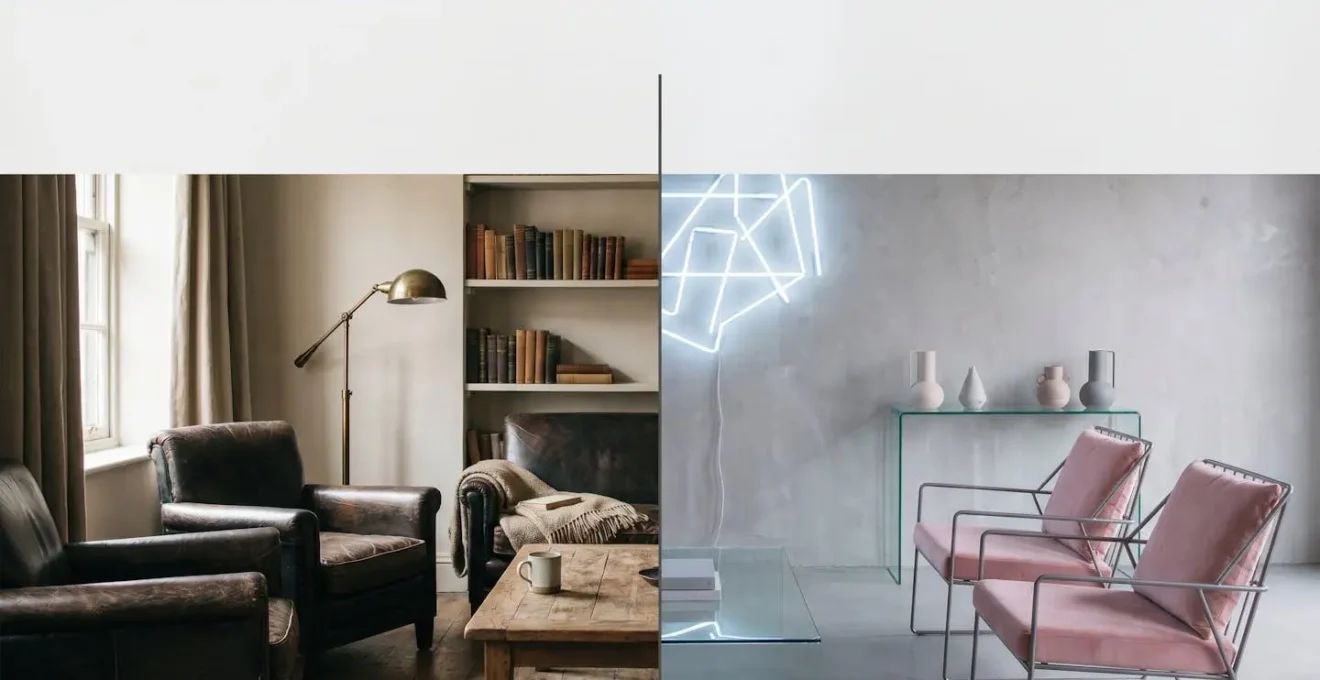
That ‘charming’ boutique hotel you booked isn’t charming; it’s a meticulously crafted Instagram set designed to look good, not feel good.
- Genuine charm comes from human connection and history, not from neon signs or rattan furniture.
- Authenticity is found in the details marketing photos hide: the owner’s welcome, seamless modern comforts in a historic shell, and a true connection to local culture.
Recommendation: Stop falling for marketing. Learn to read a hotel’s signals like a critic to find stays with real soul.
You’ve been there. You spend hours scrolling, captivated by photos of a “charming” boutique hotel. The design is flawless, the colours pop, and every corner seems purpose-built for a viral social media post. You book it, excited for a unique, character-filled escape. But when you arrive, the magic is gone. The lobby feels like a stage set, the decor is flimsy, and the atmosphere is sterile. The place looks good, but it doesn’t *feel* good. You’ve become another victim of manufactured cuteness—the hollow, trend-driven aesthetic that plagues modern travel.
The common advice to “read reviews” or “look at the pictures” is no longer enough. Marketing departments have become experts at faking authenticity. They know all the buzzwords: unique, curated, local, character. But often, this is just a thin veneer over a standardized, soulless product. The result is a travel landscape filled with hotels that look different but all feel exactly the same. They are designed for the camera, not for the human soul.
This guide offers a different approach. We argue that true charm is not a design style you can purchase from a catalogue. It’s the unavoidable byproduct of a place with a genuine story, a palpable human imprint, and a deep connection to its surroundings. It’s the difference between a prop and a piece of history. We will provide you with a new lens—the critical eye of an authenticity scout—to see past the marketing fluff and identify the signals of a truly memorable stay.
This article will provide a clear framework for your search. We’ll deconstruct the elements of fake charm and equip you with the tools to spot the real thing, ensuring your next trip is rich with the authentic character you crave.
Table of Contents: A Critic’s Guide to Spotting Authentic Hotel Charm
- Why Do Photogenic Boutique Hotels Feel Cold in Person?
- How to Find Hotels Where Owners Actually Greet Guests?
- Converted 17th-Century Inn or New-Build Boutique: Which Has Real Character?
- The Themed Decor Overload That Kills Genuine Hotel Character
- How to Find Charming Hotels That Don’t Sacrifice WiFi and Hot Water?
- How to Spot Authentically Romantic Hotels in Under 3 Minutes?
- Three-Generation Family Hotel or Design Boutique: Which Connects You to Culture?
- How to Find Boutique Hotels That Actually Personalise Your Stay?
Why Do Photogenic Boutique Hotels Feel Cold in Person?
The core of the problem lies in a fundamental shift in hotel design philosophy: many properties are now designed for the screen first and the guest second. This is the world of manufactured cuteness, where every design choice is optimised for its “Instagrammability” rather than its ability to create a warm, welcoming atmosphere. The velvet couch, the neon sign with a pithy quote, the perfectly arranged bookshelf—they are props in a digital-first marketing strategy. The experience feels cold because it was never meant to be warm; it was meant to be photographed.
This trend was born from an era of hyper-polished online content. However, the tide is turning. Savvy travellers are growing weary of this staged perfection, and the entire social media landscape has shifted away from overly produced, impossibly perfect brand visuals. The hotels that feel soulless are often the ones still clinging to this outdated model of presenting a flawless, but ultimately fake, reality.
Case Study: The Pivot from Staged Perfection to Authentic Moments
The old industry standard involved tightly controlled photoshoots with stylists on set to make every room seem larger and more luxurious than reality. In contrast, a new wave of successful boutique hotels is gaining traction with something far simpler: real moments. Their content isn’t about perfect lighting or wide-angle lenses; it’s about capturing the unscripted magic of the guest experience, signaling a focus on genuine hospitality over curated visuals.
When a hotel’s identity is built on transient design trends rather than a solid foundation of history, place, or a unique vision, it lacks a soul. The coldness you feel is the absence of a genuine story. It’s a space that speaks the language of algorithms, not hospitality. To find warmth, you must learn to look past the photogenic facade and search for signs of something real.
How to Find Hotels Where Owners Actually Greet Guests?
In an age of automated check-ins and faceless corporate brands, the presence of an owner is one of the most powerful signals of authentic hospitality. An owner’s greeting is not just a transaction; it’s a transfer of pride and a personal welcome into their space. This is the human imprint, the tangible evidence that a real person cares deeply about your experience. You can’t fake the warmth of a host who is genuinely invested in their property and their guests’ comfort.
So, how do you find these gems? Start by looking for clues in the hotel’s language. Do they mention “family-run,” “hosted by,” or refer to the owners by name in their ‘About Us’ section? Scour guest reviews for mentions of the owner’s name. Phrases like “Maria made us feel right at home” or “David gave us the best local recommendations” are golden indicators. This is far more valuable than a generic review praising the “nice decor.”
These owner-led properties are more common than you might think. While chains dominate the landscape, independent hotels represent about 30% of U.S. hotels by property count, creating a substantial pool of potential hidden gems. The challenge is sifting through them to find the ones where the owner’s passion is the main attraction. Look for the small, personal touches that a corporate checklist could never replicate: a handwritten welcome note, fresh flowers from their own garden, a bookshelf filled with their personal favourites.
Ultimately, choosing an owner-operated hotel is a vote for a different kind of travel—one based on connection, not just consumption. It’s the difference between staying somewhere and feeling like you belong there, even for just a night.
Converted 17th-Century Inn or New-Build Boutique: Which Has Real Character?
It’s tempting to believe that age equals character. A 17th-century inn, with its crooked beams and storied past, seems like a guaranteed win for authenticity over a sleek new-build. However, the reality is more nuanced. True character isn’t just about history; it’s about how that history is honoured and integrated into a comfortable, modern guest experience. A historic building with terrible plumbing and paper-thin walls doesn’t have character; it has problems.
The magic happens when a property successfully bridges the gap between past and present. Research confirms this, with a study on heritage hotels finding that the powerful experience of nostalgia is amplified when guests feel both a sense of perceived authenticity and active involvement. This means the hotel must do more than just preserve old walls; it must make that history feel alive and relevant to the guest. It’s about feeling the story, not just reading it on a plaque.
Conversely, a new-build is not automatically devoid of character. A visionary owner can imbue a new space with a powerful sense of place and purpose. If the architecture is inspired by local traditions, the art is sourced from neighbourhood artists, and the design tells a unique, coherent story, it can feel more authentic than a historic inn that has been gutted and filled with generic furniture. The key is a strong, singular vision.
The critic’s choice isn’t between old and new. It’s between thoughtful and thoughtless. According to hospitality experts, the goal is always to create a modern lodging experience that stays true to the authenticity of the original space or the founding vision. Whether it’s a centuries-old building or a brand-new one, the question remains the same: does this place have a soul, or is it just a collection of rooms?
The Themed Decor Overload That Kills Genuine Hotel Character
There’s a fine line between a theme and a gimmick, and many modern “boutique” hotels trample all over it. The “Hollywood Glamour” theme in a hotel in rural Ohio, or the “Nautical Vibe” miles from the coast, feels jarring and inauthentic because it is. This is themed decor overload, a classic sign of a hotel that lacks a genuine story of its own and has instead purchased one off the shelf. It’s a desperate attempt to manufacture a personality.
True character is not imposed; it grows organically from the hotel’s location, history, or the unique vision of its creator. It’s about a sense of place. This is not just an aesthetic preference; it’s a growing consumer demand. A growing body of emerging hospitality research shows that guests prefer design that reflects the unique character of the destination, integrating local culture in a meaningful way. They want to feel they are *in* Tuscany, not in a room decorated with pictures of Tuscany.
The most authentic hotels exhibit what can be called cultural texture. This means the design choices are rooted in the local context. Instead of a generic “beach” theme, you might find textures and colours that reflect the specific local coastline, artwork from a nearby gallery, or furniture crafted by a regional artisan. These are details that can’t be easily replicated because they are tied to a specific place. They are signals of a deep, thoughtful connection to the community, not a superficial nod to a popular trend.
Checklist: Your BS-Detector for Generic Hotel Design
- Check for overused design trends: Look for neon ‘inspirational’ quotes, excessive rattan furniture, or millennial pink walls. These signal Pinterest-driven aesthetics rather than an original vision.
- Assess sense of place versus imposed theme: Does the hotel integrate local history and culture organically, or does it impose a disconnected concept that feels geographically irrelevant?
- Apply the prop versus purpose test: Examine decor objects. Do they have stories, functions, or connections to the place (purpose), or are they just visually interesting items placed for photos (props)?
- Evaluate color palette authenticity: True luxury often whispers through refined finishes and controlled patterns, rather than shouting with garish, trend-chasing colours.
By learning to spot the difference between an integrated sense of place and a tacked-on theme, you can effectively filter out the hotels that are all style and no substance.
How to Find Charming Hotels That Don’t Sacrifice WiFi and Hot Water?
A common fear among travellers seeking character is that they’ll have to trade modern comforts for it. The romantic idea of a rustic, historic inn can quickly sour when faced with weak WiFi, lukewarm water, or a lack of power outlets. This is a false choice. The most masterful charming hotels don’t ask you to sacrifice anything; they seamlessly weave modern amenities into a character-rich setting. The rustic-chic aesthetic should not come at the expense of a hot shower.
In fact, a hotel’s ability to provide invisible technology is a hallmark of true, modern luxury. The best-in-class properties understand that comfort and convenience are non-negotiable. It’s not about avoiding technology, but about integrating it so flawlessly that it enhances the experience without disrupting the atmosphere. Think USB ports hidden in the back of a vintage-style nightstand, a smart TV concealed behind a piece of art, or radiant floor heating beneath antique tiles.
This isn’t just a niche desire; it’s the new standard. As travellers become more tech-savvy, their expectations for in-room technology are rising. Recent hospitality industry forecasts indicate that by 2024, 65% of hotel guests are expected to prefer hotels with smart room features. A truly charming hotel understands this and invests in providing a flawless functional experience, demonstrating a deep respect for the guest’s actual needs.
So, when vetting a potentially charming hotel, look for reviews that mention both character *and* comfort. Comments like “It felt like stepping back in time, but with blazing-fast internet” are a huge green flag. Don’t settle for the excuse that a building is “too old” for modern amenities. The best hoteliers see that as a design challenge to be solved, not an excuse for a subpar stay.
How to Spot Authentically Romantic Hotels in Under 3 Minutes?
The word “romantic” is one of the most overused and misunderstood in the hotel industry. For many, it has become a marketing shorthand for swan-shaped towels, scattered rose petals, and a bottle of cheap sparkling wine. This is the romance of clichés, not genuine connection. An authentically romantic hotel doesn’t just look romantic; it is engineered to facilitate intimacy and privacy.
To spot one in under three minutes, you need to ignore the noise and look for the signals. Your first minute should be a “cliché-meter” test. Scan the hotel’s photo gallery. Do you see an over-reliance on generic props like heart-shaped decor or red-heavy colour schemes? These are red flags, indicating a surface-level understanding of romance. Instead, look for what’s *not* there: crowds. Search for images that signal tangible privacy—secluded balconies, private plunge pools, dining nooks for two that aren’t squeezed next to other tables.
For your second minute, search the hotel’s website and reviews for “facilitators of connection.” Does the hotel offer experiences that encourage you to focus on each other, rather than on your phone? This could include in-room couple’s spa treatments, curated picnic baskets to take to a secluded spot, private cooking classes, or even designated “technology-free” zones. These offerings show a hotel that is thoughtfully considering how to help couples connect authentically.
In your final minute, do a quick audit for the senses. A truly romantic atmosphere is about more than just visuals. Look for mentions of details that appeal to other senses: wood-burning fireplaces (smell and warmth), high-quality linens (touch), rooms with excellent soundproofing (hearing), or a restaurant praised for its intimate ambiance (taste). A hotel that masterfully curates a multi-sensory experience is far more likely to provide a genuinely romantic backdrop than one that simply looks the part.
Three-Generation Family Hotel or Design Boutique: Which Connects You to Culture?
When seeking a genuine connection to a destination’s culture, travelers often face a choice: the established, multi-generational family hotel or the trendy, modern design boutique. The family hotel promises tradition and history, while the design boutique offers a curated, contemporary perspective. But which one truly delivers a connection to local culture? The answer, as with most things of quality, lies in the execution, not the category.
The ideal scenario is a hotel that acts as a conduit to its local environment. This goes far beyond hanging a few local paintings. It’s about deep, meaningful integration into the community. As the desire for authentic travel intensifies, recent hospitality trend analysis reveals that in 2024, travelers are seeking hyper-local experiences that immerse them in the culture and traditions of their specific location. A hotel—whether family-run or design-led—that facilitates this is delivering real value.
Case Study: Sourcing Locally as a Signal of Authenticity
Sustainability is no longer a trend but a core operational ethos for the best hotels. This extends beyond simple energy-saving measures. The most authentic hotels demonstrate their commitment by sourcing directly from their community. They partner with local farms for their restaurant, serve coffee from a neighborhood roaster, feature beers from a local microbrewery, and showcase art by area artists. This practice provides a hard-to-fake signal of authentic cultural connection, turning the hotel itself into a curated gallery of the region’s best.
A third-generation hotel that hasn’t updated its practices or engaged with the evolving local scene can feel more like a museum than a living part of the culture. Conversely, a design boutique that commissions local craftspeople for its furniture and whose concierge knows the best underground music venues can provide a far more vibrant connection. Don’t judge the hotel by its age or style; judge it by its supply chain and its staff’s local knowledge. Ask yourself: does this hotel consume local culture as a decorative element, or does it actively contribute to it?
Key Takeaways
- “Manufactured cuteness”—decor designed for Instagram—is the primary enemy of genuine hotel charm.
- True charm is a byproduct of a human imprint, authentic history, and a real, tangible sense of place.
- The best hotels masterfully balance unique character with modern comforts; you should never have to choose between them.
How to Find Boutique Hotels That Actually Personalise Your Stay?
Personalization is the final and perhaps most crucial frontier in the search for authentic charm. It is the ultimate expression of genuine hospitality, transforming a standard hotel stay into a memorable, tailored experience. It’s the hotel anticipating your needs, remembering your preferences, and making you feel not just like a guest, but like an honoured guest. This could be as simple as having your preferred type of pillow ready in the room or as elaborate as arranging a private tour based on a casual conversation.
The demand for this level of service is enormous, yet the supply is shockingly scarce. A compelling 2024 study found that over 61% of consumers are willing to spend more for a customized experience, yet a mere 23% report actually receiving high levels of personalization during recent hotel stays. This massive gap represents the difference between hotels that talk about guest experience and those that actually deliver it. The preference is clear and growing; other forecasts indicate that by 2024, 70% of guests are expected to prefer personalized offers.
So how do you identify the 23%? Look for hotels that ask questions. A pre-arrival email that goes beyond confirming your dates and asks about your occasion for travel, dietary needs, or interests is a strong positive signal. Check reviews for phrases like “they remembered,” “they arranged,” or “they went above and beyond.” These are signs of a hotel with a culture of proactive, not just reactive, service. Small, independent, owner-operated hotels are often better positioned to offer this, as they are not constrained by rigid corporate protocols.
True personalization is the antidote to the cold, impersonal nature of “manufactured” travel. It is the ultimate signal that a hotel sees you as an individual, not just a reservation number. It’s the final piece of the puzzle that turns a well-designed, comfortable hotel into a place you can’t wait to return to.
By shifting your focus from a hotel’s photogenic qualities to its underlying signals of authenticity—the human imprint, the sense of place, modern comfort, and true personalization—you arm yourself against the hollowness of manufactured charm. Start applying this critical lens to your travel planning, and you will begin to uncover the truly special places that make travel worthwhile.