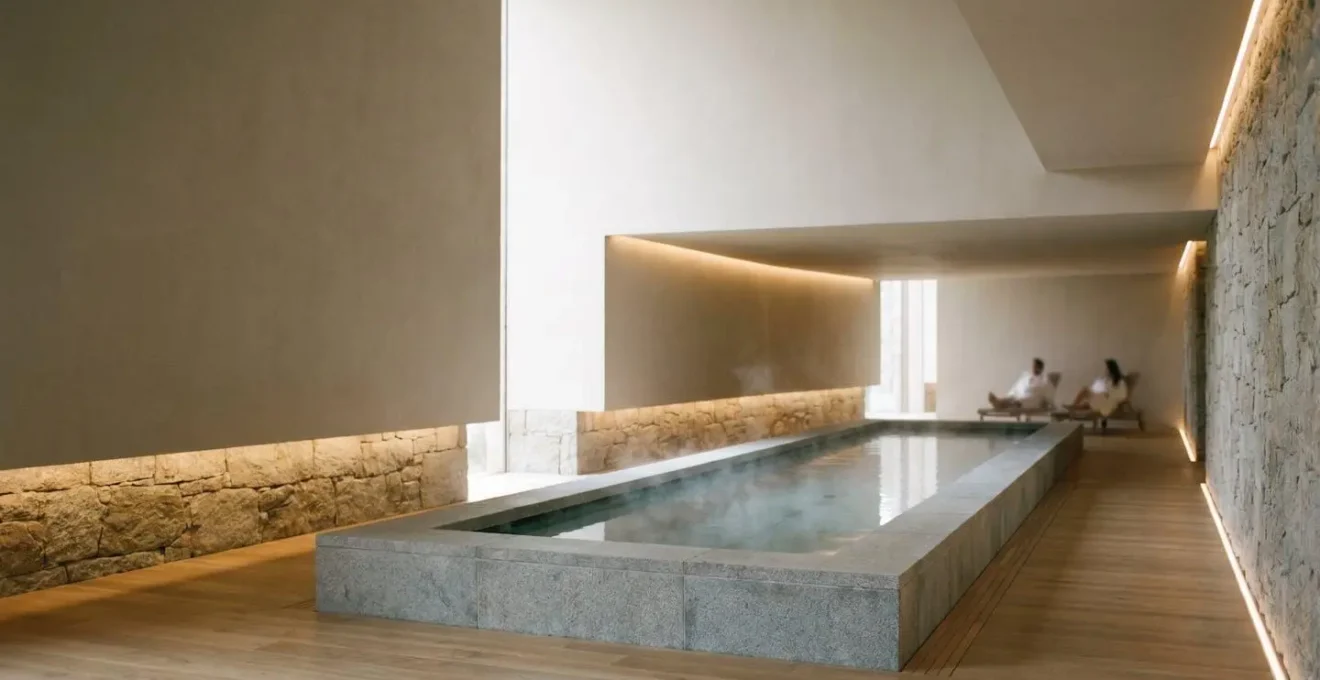
The key to combating sightseeing fatigue isn’t just relaxation; it’s applying targeted, science-based recovery protocols using your hotel’s wellness facilities.
- Shift your mindset from passive enjoyment to active recovery by using hydrotherapy circuits and timed sessions.
- The value of a spa is directly proportional to your trip’s intensity—it becomes essential, not just a luxury, on high-activity days.
Recommendation: Before your next trip, assess your itinerary’s intensity and select a hotel whose wellness facilities match your specific recovery needs, treating them as a crucial part of your travel toolkit.
The exhilarating rhythm of a city break—discovering new streets, visiting museums, and chasing sunsets—has a physical cost. After days of pounding the pavement, that initial excitement can be overshadowed by profound physical exhaustion. Your feet ache, your lower back screams, and the thought of another 20,000-step day feels less like an adventure and more like a sentence. The common advice is to simply “relax” at your hotel, perhaps with a quick dip in the pool or a visit to the spa. But this passive approach often fails to deliver meaningful restoration.
The problem is that most travelers use these powerful amenities without a strategy. A leisurely swim or a generic massage might feel pleasant, but they don’t address the specific physiological demands of multi-day urban exploration. What if you could approach your hotel’s wellness center not as a tourist, but as a recovery specialist? What if you treated the pool, sauna, and treatment rooms as a high-performance lab designed to reduce inflammation, soothe muscle fatigue, and manage your body’s response to physical stress?
This guide will reframe your perspective. We will move beyond the superficial and dive into the science of physical restoration. You’ll learn how to analyze a hotel’s wellness offerings with a critical eye, communicate your needs effectively, and implement specific, timed protocols that integrate seamlessly into your travel schedule. It’s time to stop just enduring sightseeing fatigue and start actively conquering it, ensuring you have the physical stamina to enjoy every moment of your trip.
This article provides a complete framework for transforming your hotel’s wellness facilities into a strategic recovery asset. Discover how to assess amenities before you book, create effective in-room rituals, and implement protocols that will keep you exploring, day after day.
Summary: A Strategic Guide to Hotel Wellness for Sightseeing Recovery
- Why Do Hotel Pools Look Spacious in Photos But Feel Tiny in Person?
- How to Avoid Disappointing Hotel Spa Treatments?
- Rooftop Pool With Views or Indoor Basement Spa: Which Enhances Your Stay?
- The Hotel Pool Hours That Block Evening Relaxation
- When Do Pool and Spa Facilities Add Real Value to Your Hotel Choice?
- Why Do Luxury Hotels Ignore Light-Blocking and Noise Issues?
- How to Know if a “Leisurely” Bike Tour Will Actually Exhaust You?
- How to Ensure Quality Sleep in Unfamiliar Hotel Rooms?
Why Do Hotel Pools Look Spacious in Photos But Feel Tiny in Person?
The most common wellness disappointment begins before you even arrive. You book a hotel, lured by photos of a seemingly Olympic-sized pool, only to discover a glorified bathtub. This is a classic case of marketing illusion, primarily achieved through the use of wide-angle lenses. These lenses distort perspective, making small spaces appear vast and expansive. However, from a sports recovery perspective, the size is often less important than the function. A small, but deep, hydrotherapy pool with powerful jets is far more valuable for muscle recovery than a large, shallow pool designed for lounging.
Instead of being seduced by size, you must learn to analyze hotel photos for functional clues. Is there a dedicated lane for lap swimming? Can you see evidence of hydrotherapy jets? Is there a nearby hot tub or sauna for contrast therapy? Shifting your focus from aesthetics to functional recovery space is the first step in using a hotel’s facilities strategically. A tiny pool might be a disappointment for a family on vacation, but for a tired explorer, a small, purpose-built hydrotherapy area is a goldmine.
The texture and movement of the water, as seen here, tell a more important story than the pool’s width. The presence of micro-bubbles from underwater jets indicates a focus on therapeutic water pressure, which is essential for massaging sore muscles and improving circulation after a long day of walking. This is the kind of detail a recovery-focused traveler should look for.
Your Action Plan: Photo Forensics for Assessing Pool Function
- Points of contact: Examine photo details, paying close attention to curved edges in furniture or architecture which signal wide-angle lens distortion.
- Collecte: Inventory visible scale references, such as the number of lounge chairs or towels, to get a realistic sense of the actual dimensions.
- Cohérence: Compare the photos to your recovery goal. If you need to swim laps, check for images showing the full, uninterrupted pool length, not just flattering corner shots.
- Mémorabilité/émotion: Scour guest reviews for candid photos. Contrast these user-generated images with the hotel’s professional shots to spot inconsistencies and reveal the true size.
- Plan d’intégration: Identify a standard-sized object, like a 6-foot lounge chair, and use it to estimate the pool’s area to determine if it meets your functional needs for stretching or movement.
How to Avoid Disappointing Hotel Spa Treatments?
A poorly executed massage can be more frustrating than no massage at all. You leave feeling greasy, underwhelmed, and lighter in the wallet, with your muscle soreness completely unaddressed. The primary cause of a disappointing spa treatment is a failure of communication. Most travelers book a “deep tissue” or “sports” massage and hope for the best. This is a mistake. To get a treatment that facilitates real recovery, you must provide your therapist with a precise, clinical brief, just as an athlete would communicate with their physiotherapist.
Stop thinking of yourself as a spa guest and start acting like a client with a specific performance goal: accelerated recovery. Your therapist is not a mind reader. They need data to perform their job effectively. Before your treatment, take two minutes to prepare a concise summary of your physical state and desired outcome. This simple act transforms the transaction from a generic luxury service into a targeted therapeutic intervention. By clearly articulating your activity levels, problem areas, and recovery objectives, you empower the therapist to customize the treatment for maximum impact on your sightseeing-induced fatigue.
Your Action Plan: The Treatment Communication Blueprint
- Specify your daily activity level: “I’ve been averaging 20,000 steps per day for the past 4 days.”
- Identify affected body areas: “The primary focus needs to be on my lower back, calves, and the soles of my feet.”
- State your recovery goal: “My priority is reducing inflammation and muscle tension to be able to walk comfortably tomorrow, not just general relaxation.”
- Mention any sensitivities or preferences: “I prefer moderate to firm pressure, and I have sensitivity to lavender oil.”
- Ask about therapist specialization: “Do you have a therapist with experience in sports recovery or treating post-activity muscle soreness?”
Rooftop Pool With Views or Indoor Basement Spa: Which Enhances Your Stay?
The choice between a stunning rooftop pool and a secluded indoor spa is not merely aesthetic; it’s a strategic decision between two different types of wellness experiences: sensory stimulation versus controlled recovery. A rooftop pool offers breathtaking views, natural light, and a vibrant social atmosphere. It’s an experience for the senses—a place to see and be seen. While enjoyable, this environment can be counterproductive for deep physical recovery. The sun, noise, and social energy are all stimuli that can keep your nervous system in a state of high alert.
Conversely, a well-designed indoor spa, often located in the quiet depths of a hotel, offers a controlled environment optimized for physiological restoration. Here, the focus is on minimizing external stimuli. Dim lighting, controlled temperatures, and a quiet atmosphere signal to your body that it’s time to switch into repair mode. These spaces are purpose-built for recovery, often featuring specialized equipment that a rooftop pool cannot accommodate.
While visually stunning, a rooftop environment is subject to weather, crowds, and noise—variables that can interfere with a structured recovery protocol. For the active traveler, the choice is clear: seek the view for a drink, but retreat to a controlled indoor environment for true physical repair.
Case Study: Equinox Hotel Hudson Yards – Performance Recovery Design
The Equinox Hotel in Hudson Yards exemplifies the “controlled recovery” philosophy. Their entire spa is built around the concept that recovery is as crucial as fitness. The indoor facilities feature advanced recovery tools like cryotherapy chambers, infrared saunas, and cold plunges, alongside sleep-optimized rooms with total blackout, soundproofing, and precise temperature regulation. This controlled indoor environment guarantees a consistent and effective recovery experience, regardless of the weather or time of day, directly addressing the limitations of weather-dependent and potentially noisy rooftop facilities.
The Hotel Pool Hours That Block Evening Relaxation
You’ve pushed through a final museum visit, arriving back at your hotel at 7:30 PM, exhausted but looking forward to a restorative soak in the hot tub. You head to the pool, only to be met with a “Closed” sign. The facilities shut down at 7 PM. This common scenario is a major frustration for active travelers, whose sightseeing schedules often extend into the early evening, clashing directly with restrictive pool and spa hours. When the hotel’s primary recovery tools are inaccessible when you need them most, you need a backup plan.
This is where the concept of an in-room recovery protocol becomes essential. Your hotel bathroom, though humble, can be transformed into a surprisingly effective personal wellness space. By leveraging the tools at your disposal—the bathtub, shower, and towels—you can replicate some of the most beneficial aspects of a spa experience, particularly the principles of hydrotherapy and heat therapy. While it may not be as luxurious as a dedicated spa, a well-executed in-room ritual can significantly reduce muscle soreness and prepare your body for a night of restful sleep, ensuring the hotel’s restrictive hours don’t derail your recovery.
Your Action Plan: The In-Room Spa Ritual for After-Hours Recovery
- Fill the bathtub with warm water (around 100°F or 38°C) and add Epsom salts, which are excellent for reducing muscle inflammation. A travel-size bag is a worthy addition to your luggage.
- Soak for 15-20 minutes. Focus on fully submerging your lower body—feet, ankles, calves, and hamstrings—which bears the brunt of a day’s walking.
- Follow with a contrast shower. Alternate 2 minutes of warm water with 30 seconds of the coldest water you can tolerate. Repeat this cycle three times, focusing the cold water on your legs to constrict blood vessels and flush out metabolic waste.
- Create a heat compress for your upper body. Dampen a hotel hand towel with hot water, wring it out, and apply it to your neck and shoulders for 10 minutes to release tension from carrying a bag all day.
- Finish with 5-10 minutes of gentle stretching on a towel on the floor. Focus on calves, hamstrings, quadriceps, and your lower back.
When Do Pool and Spa Facilities Add Real Value to Your Hotel Choice?
Not all trips are created equal, and therefore, the value of a hotel’s wellness facilities is not constant. For a short, relaxed weekend getaway, a pool and spa are a pleasant luxury. But for an intensive, multi-day, high-activity city break, they become an essential tool for trip sustainability. The ability to effectively recover each night directly impacts your physical capacity and enjoyment on subsequent days. Without proper recovery, fatigue accumulates, leading to diminished energy, increased risk of minor injury, and a less enjoyable overall experience.
The key is to proactively assess the intensity of your planned itinerary and match it with the appropriate level of hotel wellness amenities. A simple matrix connecting your trip’s duration and daily activity level to the required spa features can transform your hotel selection process from a search for luxury to a strategic investment in your own physical well-being. This proactive approach ensures that you’re not just booking a room, but securing a vital recovery base that will empower you to make the most of every single day of your trip.
The decision-making process can be simplified by referencing a framework that aligns activity levels with necessary amenities, as this Trip Intensity Matrix shows:
| Trip Duration & Intensity | Daily Activity Level | Spa Facility Value | Recommended Features |
|---|---|---|---|
| 2-3 days, Relaxed pace | 5,000-10,000 steps/day | Luxury (nice to have) | Basic pool or sauna sufficient |
| 4-5 days, Moderate sightseeing | 15,000-20,000 steps/day | High value | Pool + hot tub + massage available |
| 6-7 days, Intensive touring | 20,000-25,000+ steps/day | Essential for sustainability | Full spa: hydrotherapy circuit, treatments, recovery equipment |
| Week+ Multi-city trip | Variable high activity | Critical recovery tool | Daily access to thermal facilities, professional treatments |
Why Do Luxury Hotels Ignore Light-Blocking and Noise Issues?
It’s a frustrating paradox of modern travel: you invest in a luxury hotel with premium wellness facilities, only to find your sleep sabotaged by the room itself. A sliver of light from a poorly fitted blackout curtain, the incessant hum of an air conditioner, or the faint glow of a smoke detector can be enough to disrupt deep, restorative sleep. This happens because many hotels prioritize design aesthetics over sleep-conducive environmental control. A stylish floor-to-ceiling window is a great feature during the day, but a liability at night if not paired with 100% effective light-blocking solutions.
While you can’t redesign your hotel room, you can use the spa facilities to make your body more resilient to these environmental stressors. The link between hydrotherapy and sleep quality is well-documented. A strategic spa session before bed can physiologically prepare your body for rest, mitigating the impact of a suboptimal sleep environment. Think of it as a preemptive strike against poor sleep.
Study: How Spa Treatments Counteract Environmental Sleep Disruption
This is not just about relaxing. Research on hydrotherapy’s neurological effects demonstrates that warm water immersion triggers the release of endorphins and activates the parasympathetic nervous system—the body’s “rest and digest” mode. For travelers facing a noisy or bright room, a deep sauna or steam room session can significantly reduce levels of cortisol, the primary stress hormone. By lowering this physiological stress, you become less reactive to disruptive stimuli like light and noise, making it easier to fall asleep and stay asleep, even in less-than-ideal conditions.
How to Know if a “Leisurely” Bike Tour Will Actually Exhaust You?
The term “leisurely” is one of the most misleading in the travel industry. A three-hour “leisurely” bike tour through a hilly city can be more taxing than a full day of walking, especially for muscles that aren’t accustomed to the activity. The unique, repetitive strain of cycling on the quadriceps, hamstrings, and glutes requires a specific recovery protocol. Simply resting afterward is not enough; you need an active strategy to combat inflammation and prevent delayed onset muscle soreness (DOMS) from ruining your next day.
This is a perfect scenario to deploy a targeted hydrotherapy circuit. The systematic alternation between hot and cold temperatures—known as contrast therapy—is a technique used by professional athletes to accelerate recovery. The heat dilates blood vessels, increasing blood flow to tired muscles, while the cold constricts them, helping to flush out lactic acid and reduce inflammation. Applying this professional-grade technique using your hotel’s hot tub, pool, or even shower can dramatically reduce post-cycling soreness and stiffness.
This moment of relief is earned. By following a structured protocol immediately after strenuous activity, you actively manage your body’s response, turning potential soreness into a feeling of deep, restorative release. It’s a proactive measure that pays dividends in comfort and mobility the following day.
Your Action Plan: The Cyclist’s Soother – A Post-Activity Hydrotherapy Circuit
- Immediately upon returning, perform a light 5-minute walk to cool down and prevent muscles from stiffening.
- Enter a hot tub or warm pool (38-40°C) for 10 minutes. Perform gentle leg movements to promote blood flow to the quadriceps and hamstrings.
- Transfer immediately to a cold plunge or the coldest setting on the hotel shower (10-15°C) for 2 minutes. Focus the cold water primarily on your legs.
- Repeat this heat-cold cycle two more times for a total of three rounds. This contrast is the core of the recovery process.
- Finish with 10 minutes in a sauna or steam room for full-body muscle relaxation and to gently raise your core temperature before a final cool rinse. According to a narrative review on hydrotherapy for athletes, this structured approach is key for recovery.
Key Takeaways
- Function over form: A small hydrotherapy pool is more valuable for recovery than a large, shallow aesthetic one.
- Adopt a protocol mindset: Don’t just “use” the spa; execute timed, science-based recovery circuits for specific goals like muscle recovery or sleep preparation.
- Sync with your schedule: Use wellness facilities to strategically manage your body’s clock, especially by engineering a core body temperature drop 90 minutes before bed to promote sleep.
How to Ensure Quality Sleep in Unfamiliar Hotel Rooms?
Quality sleep is the cornerstone of any multi-day recovery strategy. It’s when your body does most of its essential repair work. However, sleeping well in an unfamiliar environment is notoriously difficult. Your brain’s internal “sentinel” is on higher alert, and disruptions from a different bed, new noises, and a foreign schedule can wreak havoc on your sleep cycles. While a sleep mask and earplugs are essential first-line defenses, the most powerful tool for engineering a good night’s sleep is already at your hotel: the spa.
The secret lies in leveraging the spa facilities to strategically manipulate your core body temperature. A natural drop in core body temperature is one of the primary triggers for sleep onset. By using a sauna or warm bath to raise your body temperature approximately 90 minutes to two hours before your desired bedtime, you initiate a process called vasodilation. As your body subsequently works to cool itself down, this pronounced temperature drop mimics the natural process of preparing for sleep, sending a powerful signal to your brain that it’s time to rest.
This is not just about feeling relaxed; it’s about actively managing your body’s internal clock. A timed, pre-sleep wellness ritual is the most effective, non-pharmaceutical sleep aid a traveler has. It transforms the spa from a place of daytime leisure into a critical component of your nightly sleep hygiene.
Your Action Plan: The Hotel Sleep Ritual Using Wellness Facilities
- 90 minutes before bed: Begin your ritual. Spend 15 minutes in a dry sauna or steam room. This starts to elevate your core body temperature and relax your muscles.
- 75 minutes before bed: Take a warm (not hot) shower to rinse off and begin the gradual cooling process. Avoid shocking your system with cold water at this stage.
- 60 minutes before bed: Retreat to the spa’s quiet lounge area or back to your dimly lit room. Avoid screens. Sip a caffeine-free herbal tea to aid hydration and relaxation.
- 45 minutes before bed: In your room, keep lights as low as possible. This is a “no-screen zone.” The blue light from phones or tablets will counteract your efforts.
- 30 minutes before bed: Perform 5-10 minutes of gentle, static stretches on the floor. Focus on deep breathing and releasing tension in your hips and back. The goal is relaxation, not a workout.
Embracing this strategic mindset transforms a hotel stay. No longer are you a passive guest hoping to feel rested; you are an active participant in your own recovery. By assessing facilities with a functional eye, communicating your needs like an athlete, and implementing timed, science-based protocols for recovery and sleep, you turn your hotel’s wellness center into your most valuable travel asset. This approach doesn’t just help you survive an active trip—it empowers you to thrive, ensuring you return home with cherished memories, not a case of physical burnout.